What Does a Blown Fuse Look Like? How to Tell If a Fuse Is Blown in Northern Colorado
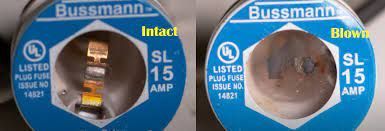
Have you ever switched on a device only to have it suddenly stop working? In many cases, the issue comes down to a simple but important component: the fuse. So, what does a blown fuse look like, and how can you tell if one is blown?
The good news is that a blown fuse is usually easy to identify once you know what to look for. A fuse is designed to protect your electrical system by stopping the flow of electricity when too much current passes through it. When this happens, the fuse “blows” and cuts power to prevent damage or fire.
One of the first things you can do is visually inspect the fuse. A blown fuse often has a broken filament (metal strip) inside, along with black or gray discoloration around it. In some cases, the glass may appear cloudy or burned. These are clear indicators that the fuse has failed.
However, not all blown fuses show obvious visual damage. If a device or area of your home stops working even though it’s plugged in and turned on, a blown fuse is a likely cause. You might also notice flickering lights before power loss, hear a popping sound, or detect a burning smell near your electrical panel.
For homeowners in Greeley, Fort Collins, and Severance, blown fuses can be more common in older homes or during peak energy use—such as running heaters in the winter or air conditioning in the summer.
Always replace a blown fuse with the same type and amperage rating to maintain safety. While a blown fuse can be a minor inconvenience, repeated issues may point to a larger electrical problem that should be inspected by a professional.
If you’re dealing with frequent fuse problems or aren’t sure what’s causing the issue, call ACDC-Electrical at 970-330-1656. Our team can safely diagnose and handle any fuse or electrical issue in Northern Colorado.
Blown Fuses
Blown fuses can be more than just an inconvenience—they’re often a sign that something isn’t right with your electrical system. They tend to happen at the worst times, like when you’re hosting guests or relying on power for an important task. While replacing a fuse can be simple, ignoring the cause can lead to bigger problems.
A blown fuse is designed to protect your home, but repeated issues can increase the risk of electrical damage, overheating, or even fire hazards. That’s why it’s important to address the problem quickly and correctly.
For homeowners in Greeley, Fort Collins, and Severance, frequent blown fuses are often linked to overloaded circuits or older electrical panels that aren’t built for today’s energy demands.
If your fuse blows more than once—or you’re unsure what’s causing the issue—it’s best to have a professional take a look. A licensed electrician can identify the root problem and make sure your system is safe and reliable.
If you’re dealing with ongoing fuse issues, call
ACDC-Electrical at 970-330-1656. We provide expert electrical repair and fuse troubleshooting throughout Northern Colorado.
Why Fuse Problems Should Be Taken Seriously
Fuse Blowing
A blown fuse can be frustrating—but it can also signal a more serious electrical issue. When a fuse blows, it cuts power to protect your home from overloads, faulty wiring, or damaged appliances.
Losing power means more than inconvenience—it can affect your lighting, heating, and essential devices.
This is especially important for homeowners in Greeley, Fort Collins, and Severance, where seasonal demand can put extra strain on electrical systems.
While replacing a fuse is often straightforward, the key is understanding why it blew.
Frequent blown fuses may indicate:
- Overloaded circuits from too many devices
- Outdated electrical systems
- Hidden wiring issues
Ignoring these warning signs can lead to equipment damage, electrical failures, or increased fire risk.
If you’re unsure how to safely replace a fuse—or if the problem keeps happening—it’s best to have a professional inspect your system.
For expert help in
Northern Colorado, call
ACDC-Electrical at 970-330-1656. We’ll identify the issue and make sure your electrical system is safe and reliable.
Fuse and Circuit Breaker: How They Protect Your Electrical System
- Prevent overheating and electrical fires
- Protect appliances and wiring from damage
- Ensure safe operation of your electrical system
How to Tell if a Fuse Is Bad
Signs of a Bad Fuse
- Loss of power to a specific outlet, room, or device
- A broken or melted metal strip inside the fuse
- Burn marks or discoloration
- A cloudy or darkened appearance
How to Check a Fuse
- Turn off power to the panel
- Remove the fuse carefully
- Inspect it for visible damage
- Use a multimeter to test for continuity (no reading = bad fuse)
If you’re unsure or the issue keeps happening, it’s best to have a professional inspect your system.
A blown fuse can fail in several ways depending on its design and the type of electrical issue that caused it. Here are the most reliable visual indicators:
1. Burn Marks or Discoloration
Fuses often show dark brown or black scorch marks, indicating overheating or a sudden power surge.
2. Broken or Melted Internal Element
In glass-tube fuses, the internal metal strip may appear:
- snapped
- melted
- vaporized
- scattered inside the glass
This typically means the fuse opened due to an overcurrent condition.
3. Cloudy Glass or Metallic Residue
Severe short circuits may cause the glass to become:
- cloudy or white
- smoky
- coated in metal dust
This is common with high-energy fuse failures.
4. No Electrical Continuity
Some fuses look perfectly normal but are still blown.
Testing with a multimeter set to continuity or resistance is the only accurate confirmation.
Understanding why a fuse blew helps prevent repeat issues. Common causes include:
1. Overloaded Circuit
Too many devices drawing current from the same circuit causes amperage to exceed the fuse rating.
2. Short Circuit
When a hot wire contacts a neutral or ground wire, resistance drops to near-zero—causing an instantaneous surge.
3. Faulty Appliance
A damaged cord, internal short, or motor failure can repeatedly blow fuses when plugged in.
4. Aging or Corroded Fuse Holders
Loose connections increase heat and can cause localized fuse failure.
5. Undersized Fuse Installed
If a fuse with too low an amperage rating was used previously, it will blow prematurely.
For code-approved electrical safety standards, reference the
National Electrical Code (NEC) published by NFPA:
https://www.nfpa.org/codes-and-standards/all-codes-and-standards/list-of-codes-and-standards/detail?code=70
Method 1: Visual Inspection
Look for:
- broken filament
- discoloration
- glass clouding or soot
Limitations: Not all fuse failures are visible.
Method 2: Multimeter Test
- Set the multimeter to continuity (🔔) or resistance (Ω).
- Touch one probe to each fuse end.
- Reading shows continuity = fuse good
- No continuity / infinite resistance = fuse blown
Method 3: Swap Test (Last Resort)
If you don't have a meter, replacing a suspect fuse with a new one of the same amperage can help confirm the issue.
- Turn off power to the circuit (breaker or main disconnect).
- Remove the blown fuse using an insulated tool if needed.
- Inspect the fuse holder for burns or loose contacts.
- Install a new fuse with the identical amperage and type.
- Restore power and monitor for recurring issues.
⚠️ Never install a higher-rated fuse to “prevent” blowing.
This can cause wiring fires and is a major safety hazard.
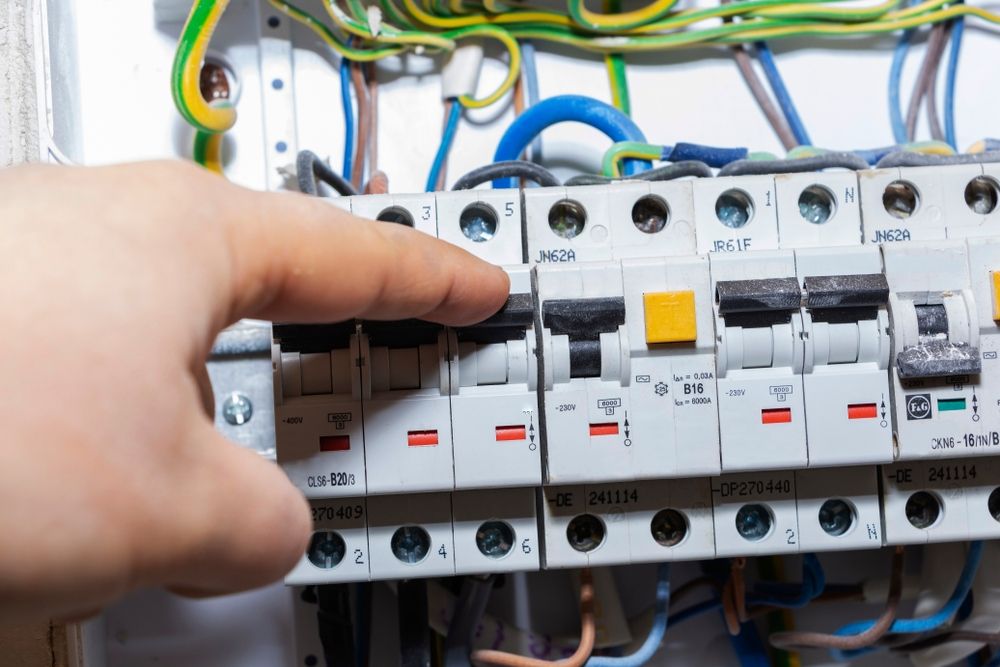
Circuit breakers are a critical part of modern electrical systems, designed to protect your home from overheating, overloads, and short circuits. When too much electricity flows through a circuit, the breaker automatically trips, cutting off power to prevent damage or fire hazards.
Unlike traditional fuses, circuit breakers are resettable. Instead of replacing a blown fuse, you can simply flip the breaker switch back on after the issue is resolved. This makes them more convenient and one of the main reasons many homes have upgraded from fuse boxes to breaker panels.
In Greeley, Fort Collins, and Severance, many newer homes already use circuit breakers, while older homes may still rely on fuses. If your system hasn’t been updated, upgrading to a breaker panel can improve both safety and reliability.
Circuit breakers help protect:
- Your wiring from overheating
- Your appliances from electrical damage
- Your home from potential fire risks
If your breaker keeps tripping or you’re unsure about your electrical system, it’s important to have it inspected by a professional.
For expert electrical service in
Northern Colorado, call
ACDC-Electrical at 970-330-1656. We can diagnose issues, repair your system, and recommend upgrades to keep your home safe and powered.
Circuit Breaker Fuse Blown
When the power goes out in part of your home or business, it can be frustrating—and sometimes concerning. One of the first things to check is your electrical panel to see if a fuse has blown or a circuit breaker has tripped.
This is a common issue caused by:
- Overloaded circuits (too many devices running at once)
- Power surges
- Faulty or malfunctioning appliances
If you find that a fuse has blown, it’s important to handle it safely.
How to Fix a Blown Fuse
- Turn off power to the affected circuit
- Carefully remove the blown fuse
- Replace it with a new fuse of the same type and amperage rating
How to Reset a Tripped Breaker
- Locate the tripped breaker (usually in the middle position)
- Flip it fully off, then back on
If the fuse blows again or the breaker keeps tripping, do not ignore it. This usually means there’s a deeper electrical issue that needs attention.
For homeowners in Greeley, Fort Collins, and Severance, recurring power issues are often tied to overloaded or outdated systems.
If you’re unsure what’s causing the problem—or want it fixed safely the first time—call ACDC-Electrical at 970-330-1656. We provide fast, reliable electrical service throughout Northern Colorado.
Why Fuses and Circuit Breakers Are Essential for Home Safety
House Fuse: How It Protects Your Home
Common issues with house fuses include:
Bad Fuse: Signs and What to Do
The good news is that identifying a bad fuse is usually straightforward. Common signs include:
- A broken or melted metal strip inside the fuse
- Burn marks or discoloration
- Loss of power to a specific area or device
Broken Fuse: What It Means and How to Fix It
Signs of a Broken Fuse
- Power loss in a specific area of your home
- A visible break in the fuse’s metal strip
- Burn marks or discoloration on the fuse
- Appliances or outlets suddenly stop working
How to Safely Replace a Fuse
- Turn off the main power
- Remove the damaged fuse carefully
- Replace it with the same type and amperage rating
⚠️ Always use caution when working with electricity. If you’re unsure, it’s best not to take risks.
Burnt Fuse: What It Means and Why It Matters
Common Signs of a Burnt Fuse
- No power to a specific area or device
- Burn marks or dark discoloration on the fuse
- A broken or melted metal strip inside
- Sudden loss of power after using multiple devices
Blown Fuse in Your House: What It Means
Don’t let a blown fuse disrupt your home or put your safety at risk. Call ACDC-Electrical at 970-330-1656
for expert electrical service throughout Northern Colorado. We’ll identify the issue and get your power back on safely.
Fuse Replacement: How to Do It Safely
The good news is that fuse replacement is often a simple fix when done correctly.
Steps for Safe Fuse Replacement
- Turn off the main power to your electrical panel
- Carefully remove the blown fuse
- Check for visible damage like a broken filament or burn marks
- Replace it with a new fuse of the same type and amperage rating
⚠️ Never use a higher-rated fuse, as this can lead to overheating and serious safety risks.
How to Replace a Fuse
Steps to Replace a Fuse Safely
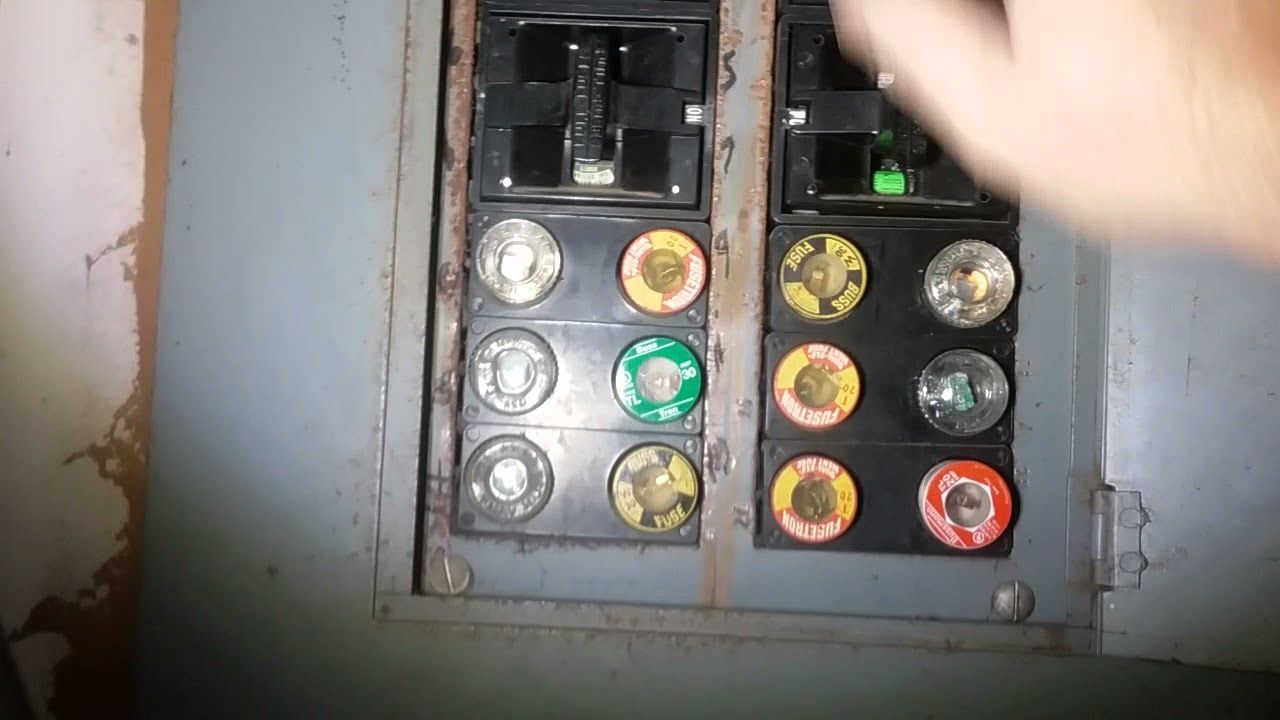
Steps to Replace a Fuse Safely
- Turn off the main power to your electrical panel
- Locate the blown fuse
- Remove it carefully
- Replace it with a fuse of the same type and amperage rating
Dealing with a blown fuse can be frustrating, but replacing one is often a simple fix when done safely. Whether you’ve lost power in part of your home or an appliance suddenly stops working, knowing how to replace a fuse can help restore power quickly.
Steps to Replace a Fuse Safely
- Turn off the main power to your electrical panel
- Locate the blown fuse
- Carefully remove the damaged fuse
- Replace it with a fuse of the same type and amperage rating
⚠️ Never use the wrong size or type of fuse. Doing so can lead to overheating, equipment damage, or even fire hazards.
Before restoring power, make sure any connected devices are turned off or unplugged to avoid additional strain on the circuit.
For homeowners in Greeley, Fort Collins, and Severance, frequent fuse replacements may be a sign of overloaded circuits or an outdated electrical system.
If you’re unsure about replacing a fuse—or if the problem keeps happening—it’s best to have a professional inspect your system.
For expert electrical service in Northern Colorado, contact ACDC-Electrical at 970-330-1656. We’ll make sure your system is safe, reliable, and up to current standards.
How to Tell If a Fuse Is Blown in a House
Losing power in part of your home can be frustrating, especially when it happens without warning. In many cases, a blown fuse is the cause—and the good news is it’s usually easy to identify.
Step 1: Check Your Electrical Panel
Start by looking at your electrical panel:
- If you have circuit breakers, check for any that have tripped (usually sitting in the middle or “off” position)
- Reset the breaker by flipping it fully off, then back on
Step 2: Inspect the Fuse (If You Have a Fuse Box)
If your home uses fuses instead of breakers, remove the suspected fuse and look for:
- A broken or melted metal strip inside
- Black or gray discoloration
- A cloudy or burnt appearance
These are clear signs the fuse has blown and needs to be replaced.
Step 3: Confirm the Issue
If you’re still unsure, a multimeter can be used to test the fuse for continuity. No reading typically means the fuse is blown.
For homeowners in Greeley, Fort Collins, and Severance, blown fuses are more common in older homes or when circuits are overloaded by modern appliances.
If you’re not comfortable checking your panel or the issue keeps happening, it’s best to call a professional.
For expert electrical service in Northern Colorado, contact ACDC-Electrical at 970-330-1656. We’ll quickly diagnose the issue and restore power safely.
How to Tell If a Fuse Is Blown in a House
Have you ever suddenly lost power in part of your home without warning? A blown fuse is often the cause—and the good news is it’s usually easy to identify.
Step 1: Check Your Electrical Panel
Start by inspecting your electrical panel:
If your home has circuit breakers, look for any that have tripped (they may be in the middle or “off” position)
Reset the breaker by flipping it fully off, then back on
Step 2: Inspect the Fuse
If your home uses a fuse box, remove the suspected fuse and check for:
A broken or melted metal strip inside
Black or gray discoloration
A cloudy or burnt appearance
These are clear signs the fuse has blown and needs to be replaced.
Step 3: Confirm the Problem
If you’re unsure, a multimeter can be used to test the fuse. No continuity typically means the fuse is blown.
For homeowners in Greeley, Fort Collins, and Severance, blown fuses are more common in older homes or when circuits are overloaded by modern appliances.
If the issue keeps happening or you’re not comfortable checking your panel, it’s best to call a professional.
For expert electrical service in Northern Colorado, contact ACDC-Electrical at 970-330-1656. We’ll quickly diagnose the issue and restore power safely.
How to Identify Which Circuit Has Been Affected by a Blown Fuse
If you suspect a blown fuse, the next step is figuring out which circuit has lost power. This helps you quickly narrow down the issue and take the right action.
How to Find the Affected Circuit
Walk through your home and check:
- Lights in each room
- Electrical outlets
- Appliances and devices
When you find an area where nothing is working, you’ve likely identified the affected circuit.
Check Your Electrical Panel
Once you’ve identified the problem area:
- Look at your fuse box or breaker panel
- Match the affected area to the labeled circuit (if available)
- Inspect the corresponding fuse for damage
In many Greeley, Fort Collins, and Severance homes, panels may not always be clearly labeled—especially in older properties—so this step is important.
Pro Tip
If multiple areas lose power at once, the issue may be a larger electrical problem, not just a single blown fuse.
If you’re unsure or the issue isn’t clear, it’s best to have a professional diagnose it safely.
For expert help in Northern Colorado, call ACDC-Electrical at 970-330-1656. We’ll quickly identify the issue and restore power to your home.
How to Determine if a Fuse Is Blown
Have you ever had something in your home suddenly stop working and weren’t sure why? Before assuming it’s a faulty appliance or wiring issue, it’s important to check whether a fuse has blown.
The good news is that identifying a blown fuse is usually simple once you know what to look for.
Steps to Check if a Fuse Is Blown
- Locate your electrical panel or fuse box
- Identify the fuse connected to the affected area
- Remove the fuse carefully and inspect it
What to Look For
- A broken or melted metal strip inside the fuse
- Black or gray discoloration
- A cloudy or burnt appearance
If you notice any of these signs, the fuse is blown and needs to be replaced.
For homeowners in Greeley, Fort Collins, and Severance, blown fuses are often caused by overloaded circuits or older electrical systems that may not handle modern energy use.
If you’re unsure or the issue keeps happening, it’s best to have a professional take a look.
For expert electrical service in Northern Colorado, call ACDC-Electrical at 970-330-1656. We’ll quickly diagnose the issue and get your power back safely.
AC Fuse Keeps Blowing: Causes and Solutions
If your AC fuse keeps blowing, it’s a sign that something isn’t working properly—and it’s not something you should ignore. While replacing the fuse might restore power temporarily, repeated issues usually point to a deeper problem.
A blown AC fuse can affect your comfort, especially during hot summer months, and may lead to serious damage to your HVAC system if left unresolved.
Common Causes of an AC Fuse Blowing
- Electrical issues or short circuits
- A faulty capacitor
- Clogged or dirty air filters restricting airflow
- Overworked system due to high demand
- Aging or damaged wiring
Why You Shouldn’t Ignore It
Continuously replacing a fuse without fixing the root cause can lead to:
- Increased wear and tear on your AC unit
- Higher energy bills
- Risk of system failure or electrical hazards
For homeowners in Greeley, Fort Collins, and Severance, AC fuse issues are especially common during peak summer usage when systems are under heavy load.
When to Call a Professional
If your AC fuse keeps blowing, it’s best to have a licensed electrician diagnose the issue. They can identify the root cause and ensure your system is operating safely and efficiently.
Don’t let a blown AC fuse leave you without cooling when you need it most. Call
ACDC-Electrical at 970-330-1656 for expert service throughout Northern Colorado.
Broken Fuse: What It Means and Why It Matters
A sudden loss of power can be unsettling—especially if you’re in the middle of something important. If your circuit breaker appears normal, the issue may be a broken (blown) fuse.
A broken fuse can stop electricity from reaching parts of your home, causing outlets, lights, or appliances to stop working. While this is a built-in safety feature, it’s important not to ignore the problem. If left unaddressed, it could lead to appliance damage or indicate a larger electrical issue.
Common Signs of a Broken Fuse
- Power loss in a specific area
- A broken or melted metal strip inside the fuse
- Burn marks or discoloration
- Devices suddenly stopping without warning
For homeowners in Greeley, Fort Collins, and Severance, broken fuses are often linked to overloaded circuits or older electrical systems.
While replacing a fuse can be simple, repeated issues should always be checked by a professional to prevent further damage.
Don’t risk your electronics or your safety. Call ACDC-Electrical at 970-330-1656 for expert electrical service throughout Northern Colorado. We’ll diagnose the issue and restore power safely and efficiently.
Blown Fuse Meaning: What It Actually Means
If you’ve ever had power suddenly cut out in your home, you’ve likely experienced a blown fuse. Understanding what this means can help you quickly identify the issue and take the right steps to fix it.
A blown fuse occurs when the thin metal strip inside the fuse melts or breaks. This usually happens due to overheating caused by too much electrical current, often from an overloaded circuit or faulty device. When the fuse blows, it stops the flow of electricity to that circuit—cutting power to prevent damage or fire hazards.
What a Blown Fuse Means for Your Home
- Electricity is no longer flowing to that circuit
- Lights, outlets, or appliances may stop working
- The fuse has done its job to protect your system from damage
While replacing a blown fuse is often a simple fix, it’s important to understand why it happened. Repeated blown fuses may indicate:
- Overloaded circuits
- Faulty appliances
- Outdated or damaged wiring
For homeowners in Greeley, Fort Collins, and Severance, blown fuses are more common in older homes or during times of high electrical demand.
If you’re dealing with frequent fuse issues or aren’t sure what’s causing the problem, it’s best to have your system inspected by a professional.
Call ACDC-Electrical at 970-330-1656 for expert electrical service throughout Northern Colorado. We’ll identify the cause and make sure your system is safe and reliable.
What Happens When a Fuse Blows?
When a fuse blows, it can feel like everything comes to a sudden stop. Lights go out, appliances shut down, and your home may be left in complete darkness. While it can be frustrating in the moment, a blown fuse is actually doing exactly what it’s designed to do—protect your electrical system.
When too much electricity flows through a circuit, the fuse cuts power immediately to prevent overheating, equipment damage, or potential fire hazards.
What to Do When a Fuse Blows
- Stay calm and locate your electrical panel or fuse box
- Identify the affected area of your home
- Check the fuse for visible damage
- Replace it with the correct type and amperage rating
In many cases, power can be restored quickly. However, if the fuse blows again, it’s a sign of a deeper issue that shouldn’t be ignored.
For homeowners in Greeley, Fort Collins, and Severance, repeated blown fuses are often caused by overloaded circuits or outdated electrical systems.
If you’re dealing with frequent power loss or aren’t sure what’s causing the problem, it’s best to have a professional take a look.
Blown Breaker: What It Means and What to Do
A “blown breaker” (more accurately, a tripped circuit breaker) can be frustrating and leave part of your home without power. While it may seem like a small issue, it’s actually an important safety feature designed to protect your electrical system from overloads and fire hazards.
When too much electricity flows through a circuit, the breaker trips and shuts off power to prevent overheating, wiring damage, or electrical fires.
Common Causes of a Tripped Breaker
- Overloaded circuits (too many devices running at once)
- Faulty or damaged appliances
- Short circuits
- Aging or outdated electrical systems
What to Do When a Breaker Trips
- Locate your electrical panel
- Find the breaker that has tripped (usually in the middle or “off” position)
- Turn it fully off, then flip it back on
⚠️ If the breaker trips again right away, do not keep resetting it—this is a sign of a deeper issue.
For homeowners in Greeley, Fort Collins, and Severance, frequent breaker trips often indicate that your electrical system may be overloaded or needs an upgrade.
Replacing Fuses with Circuit Breakers
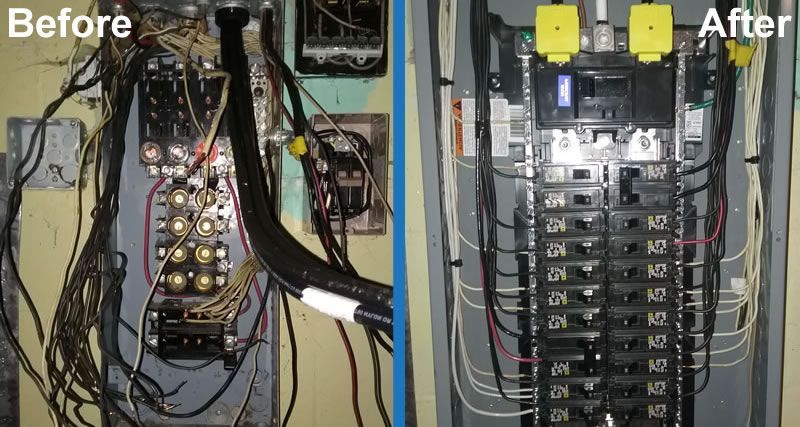
Electrical systems have evolved significantly, and many homeowners are now upgrading from traditional fuses to modern circuit breaker panels. While fuses have been used for over a century to protect circuits from overload, they come with limitations—especially in homes with today’s higher electrical demands.
Circuit breakers offer several important advantages:
- Resettable functionality – no need to replace anything after a trip
- Improved protection against overloads and short circuits
- Better performance for modern appliances and HVAC systems
- Compatibility with advanced safety features like GFCI and AFCI protection
Unlike fuses, which must be replaced each time they blow, circuit breakers can simply be reset—making them more convenient and reliable for everyday use.
For homeowners in Greeley, Fort Collins, and Severance, upgrading from a fuse box to a breaker panel can greatly improve:
- Electrical safety
- System reliability
- Capacity for modern energy usage
Older fuse systems often struggle to keep up with today’s power demands, leading to frequent blown fuses and increased risk of electrical issues.
When to Consider Upgrading
- Your fuses blow frequently
- Your home still has an older fuse box
- You’re adding new appliances or remodeling
- You want to improve overall safety and efficiency
Upgrading to a circuit breaker panel is a smart investment that helps protect your home and ensures your electrical system can handle current and future needs.
For professional panel upgrades in Northern Colorado, call ACDC-Electrical at 970-330-1656. We’ll make sure your system is safe, modern, and built to last.
How to Remove a Fuse from a Fuse Box
Knowing how to safely remove a fuse from a fuse box is an important part of basic electrical safety. Whether you’re replacing a blown fuse or shutting off power to a specific circuit, following the correct steps helps prevent injury and damage.
Steps to Remove a Fuse Safely
- Turn off the main power to your electrical panel
- Locate the fuse you need to remove
- Use a fuse puller tool to carefully remove the fuse
- If a fuse puller isn’t available, use needle-nose pliers with caution
⚠️ Always avoid touching metal parts and never force a fuse out, as this can cause damage or increase the risk of shock.
Important Safety Tips
- Only replace fuses with the same type and amperage rating
- Inspect the fuse for signs of damage before replacing
- Never attempt removal if the panel appears damaged or unsafe
For homeowners in Greeley, Fort Collins, and Severance, older fuse boxes are still common, and proper handling is essential to avoid electrical hazards.
If you’re unsure or prefer professional assistance, it’s always safest to call an expert.
For reliable electrical service in Northern Colorado, contact ACDC-Electrical at 970-330-1656. We’ll handle any fuse issue safely and efficiently.
How to Fix a Blown Fuse
If your power suddenly goes out in part of your home, a blown fuse could be the cause. The good news is that fixing a blown fuse is often straightforward—as long as it’s done safely.
Steps to Fix a Blown Fuse
- Turn off the main power to your electrical panel
- Locate the blown fuse
- Carefully remove the fuse from the panel
- Inspect it for a broken metal strip or burn marks
- Replace it with a new fuse of the same type and amperage rating
Once the new fuse is installed, restore power and check if everything is working properly.
⚠️ Never replace a fuse with one that has a higher amperage rating, as this can lead to overheating and serious fire hazards.
When to Be Cautious
If the fuse blows again after replacement, it’s likely a sign of a deeper issue such as:
- An overloaded circuit
- Faulty wiring
- A malfunctioning appliance
For homeowners in Greeley, Fort Collins, and Severance, repeated blown fuses are often linked to older electrical systems that may not support modern energy demands.
If you’re unsure or the problem keeps happening, it’s best to call a professional.
For expert electrical service in Northern Colorado, contact ACDC-Electrical at 970-330-1656. We’ll safely diagnose the issue and restore reliable power to your home.
Shorted Fuse: What It Means and Why It’s Serious
A “shorted fuse” usually points to a short circuit—one of the most serious electrical issues you can have in your home or business. When a short circuit occurs, electricity takes an unintended path, causing a sudden surge of current that can blow a fuse instantly.
Fuses are designed to stop this surge by cutting power, helping prevent overheating, equipment damage, or electrical fires. However, if the underlying issue isn’t fixed, the problem will continue.
Signs of a Short Circuit or Fuse Issue
- Fuses blowing immediately after replacement
- A burning smell or signs of heat near outlets or panels
- Sparks or tripped breakers
- Power loss in specific areas
Why You Should Act Quickly
Short circuits can cause:
- Damage to wiring and appliances
- Increased fire risk
- Ongoing electrical failures
For homeowners in Greeley, Fort Collins, and Severance, short circuit issues are especially important to address in older homes or systems under heavy electrical demand.
When to Call a Professional
If your fuse keeps blowing or you suspect a short circuit, this is not a DIY situation. A licensed electrician should inspect and repair the problem safely.
For expert electrical service in Northern Colorado, call ACDC-Electrical at 970-330-1656. We’ll quickly identify the issue and make sure your system is safe and reliable.
Breaker Box with Fuses: What You Need to Know
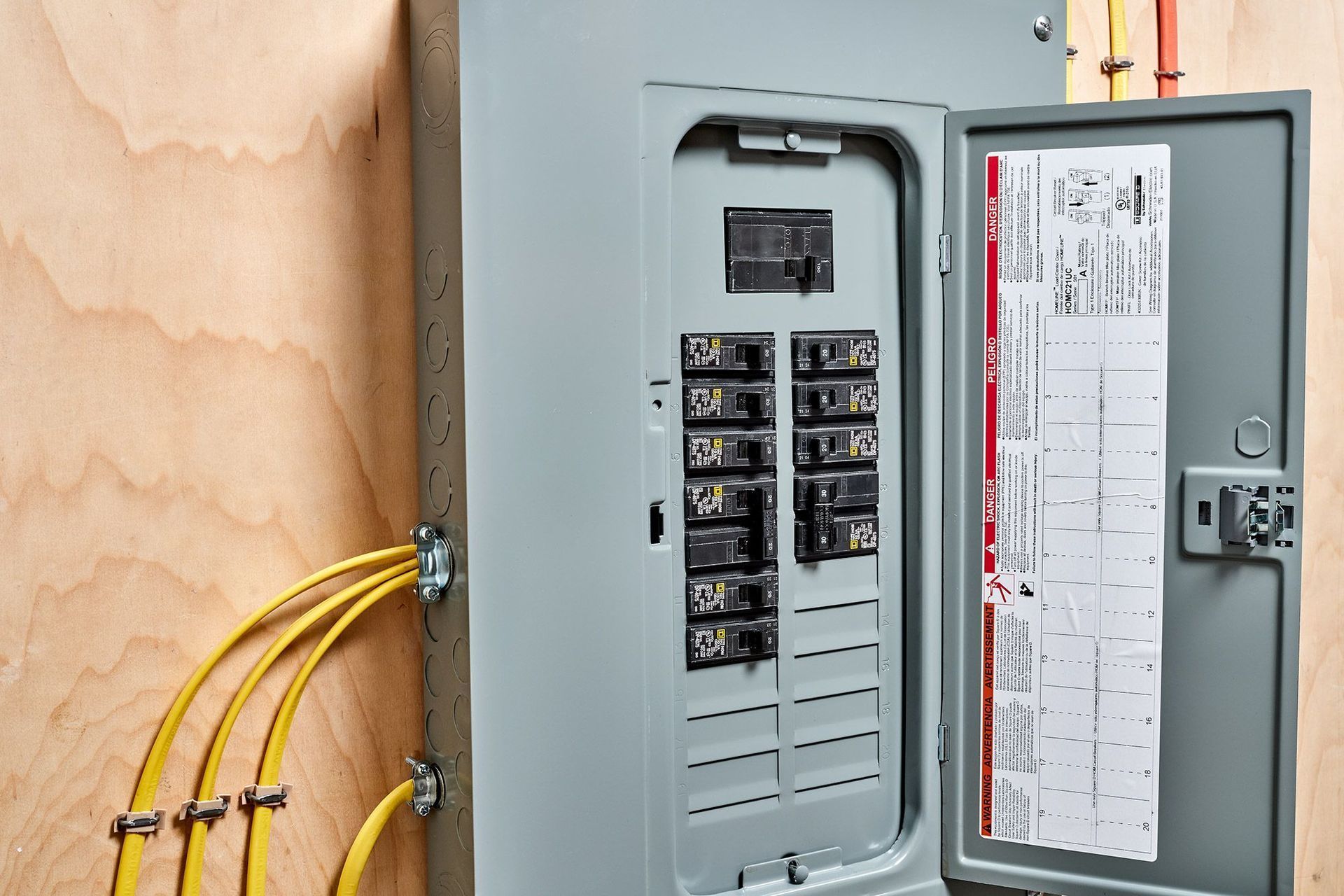
Your home’s electrical panel—whether it uses fuses or circuit breakers—is the control center for your entire electrical system. It distributes power to different circuits throughout your home while also protecting those circuits from dangerous overloads.
In homes with a fuse box, each circuit is protected by a fuse that will blow if too much electricity flows through it. In newer homes, circuit breaker panels are more common and use resettable switches instead of replaceable fuses.
What Your Electrical Panel Does
- Distributes electricity to different areas of your home
- Protects wiring and appliances from overloads
- Shuts off power automatically during unsafe conditions
What Homeowners Should Know
- Always know where your panel is located
- Learn how to safely reset a breaker or identify a blown fuse
- Pay attention to warning signs like popping sounds or sudden power loss
For homeowners in Greeley, Fort Collins, and Severance, older homes may still have fuse boxes, while newer properties typically use breaker panels. Understanding which system you have is key to handling electrical issues safely.
If your panel is outdated, difficult to manage, or causing frequent issues, it may be time for an upgrade.
For expert electrical service in Northern Colorado, call ACDC-Electrical at 970-330-1656. We can inspect your panel, make repairs, or upgrade your system to keep your home safe and reliable.
If you want, I can now:
- Combine all sections into a final, fully polished blog
- Or optimize everything for top local rankings + more calls
Breaker Box Fuse Replacement
A blown fuse in your breaker box can interrupt power and quickly become an inconvenience. While fuse replacement is often a straightforward process, it’s important to handle it safely to avoid further electrical issues.
How Fuse Replacement Works
Replacing a fuse typically involves:
- Turning off the main power supply
- Locating the blown fuse in the panel
- Carefully removing the damaged fuse
- Installing a new fuse with the same type and amperage rating
Once replaced, power can be restored and the circuit should function normally.
⚠️ Using the wrong fuse or skipping safety steps can lead to overheating, equipment damage, or fire hazards.
When to Call an Electrician
While some homeowners can replace a fuse, it’s best to call a professional if:
- You’re unsure which fuse to replace
- The fuse blows repeatedly
- Your panel appears outdated or damaged
For homeowners in Greeley, Fort Collins, and Severance, frequent fuse issues often point to overloaded circuits or older electrical systems that may need upgrading.
If you’re dealing with a blown fuse or ongoing electrical problems, contact ACDC-Electrical at 970-330-1656. We provide safe, reliable electrical service throughout Northern Colorado to keep your home powered and protected.
Breaker Box with Fuses: What You Need to Know
Your home’s electrical panel—whether it uses fuses or circuit breakers—is the control center for your entire electrical system. It distributes power to different circuits throughout your home while also protecting those circuits from dangerous overloads.
In homes with a fuse box, each circuit is protected by a fuse that will blow if too much electricity flows through it. In newer homes, circuit breaker panels are more common and use resettable switches instead of replaceable fuses.
What Your Electrical Panel Does
- Distributes electricity to different areas of your home
- Protects wiring and appliances from overloads
- Shuts off power automatically during unsafe conditions
What Homeowners Should Know
- Always know where your panel is located
- Learn how to safely reset a breaker or identify a blown fuse
- Pay attention to warning signs like popping sounds or sudden power loss
For homeowners in Greeley, Fort Collins, and Severance, older homes may still have fuse boxes, while newer properties typically use breaker panels. Understanding which system you have is key to handling electrical issues safely.
If your panel is outdated, difficult to manage, or causing frequent issues, it may be time for an upgrade.
For expert electrical service in Northern Colorado, call ACDC-Electrical at 970-330-1656. We can inspect your panel, make repairs, or upgrade your system to keep your home safe and reliable.
What does a blown fuse look like?
A blown fuse usually has a broken metal strip, burn marks, or discoloration. Some may also appear cloudy or blackened.
What causes a fuse to blow?
A fuse blows when too much electricity flows through it, usually due to overloaded circuits, short circuits, or faulty appliances.
How do I know if a fuse is blown?
You may notice loss of power in one area, flickering lights, or visible damage inside the fuse like a broken filament.
Can I replace a blown fuse myself?
Yes, but only if you:
Turn off power
Use the same amperage fuse
Follow safety precautions
If unsure, call a professional.
Why does my fuse keep blowing?
Repeated blown fuses usually mean:
Circuit overload
Wiring issues
Faulty devices
This requires inspection.
What’s better: fuses or circuit breakers?
Circuit breakers are more modern—they can be reset and offer better protection. Fuses must be replaced each time.
Should I upgrade my fuse box?
Yes, if your home has frequent issues or uses an older system. Upgrading improves safety, reliability, and capacity.
When should I call an electrician?
Call if:
Fuses blow repeatedly
You smell burning
You’re unsure how to fix it
Who fixes blown fuses in Northern Colorado?
For homes in Greeley, Fort Collins, and Severance, call ACDC-Electrical at 970-330-1656 for fast, professional service.
Need Help with a Blown Fuse or Electrical Issue?
Don’t let electrical problems disrupt your home or put your safety at risk. Whether you’re dealing with a blown fuse, tripped breaker, or outdated panel, our experienced electricians are here to help.
Call ACDC-Electrical at 970-330-1656 for fast, reliable service in Greeley, Fort Collins, and Severance. We’ll get your power back on safely and efficiently.
You might also like