Electric Load vs Line Wire: What’s the Difference? (Complete Guide) | Northern Colorado, Severance, Greeley & Fort Collins
Serving homeowners and businesses in Severance, Greeley, Fort Collins, and Northern Colorado, this guide explains the difference between line and load wiring for safer electrical systems.
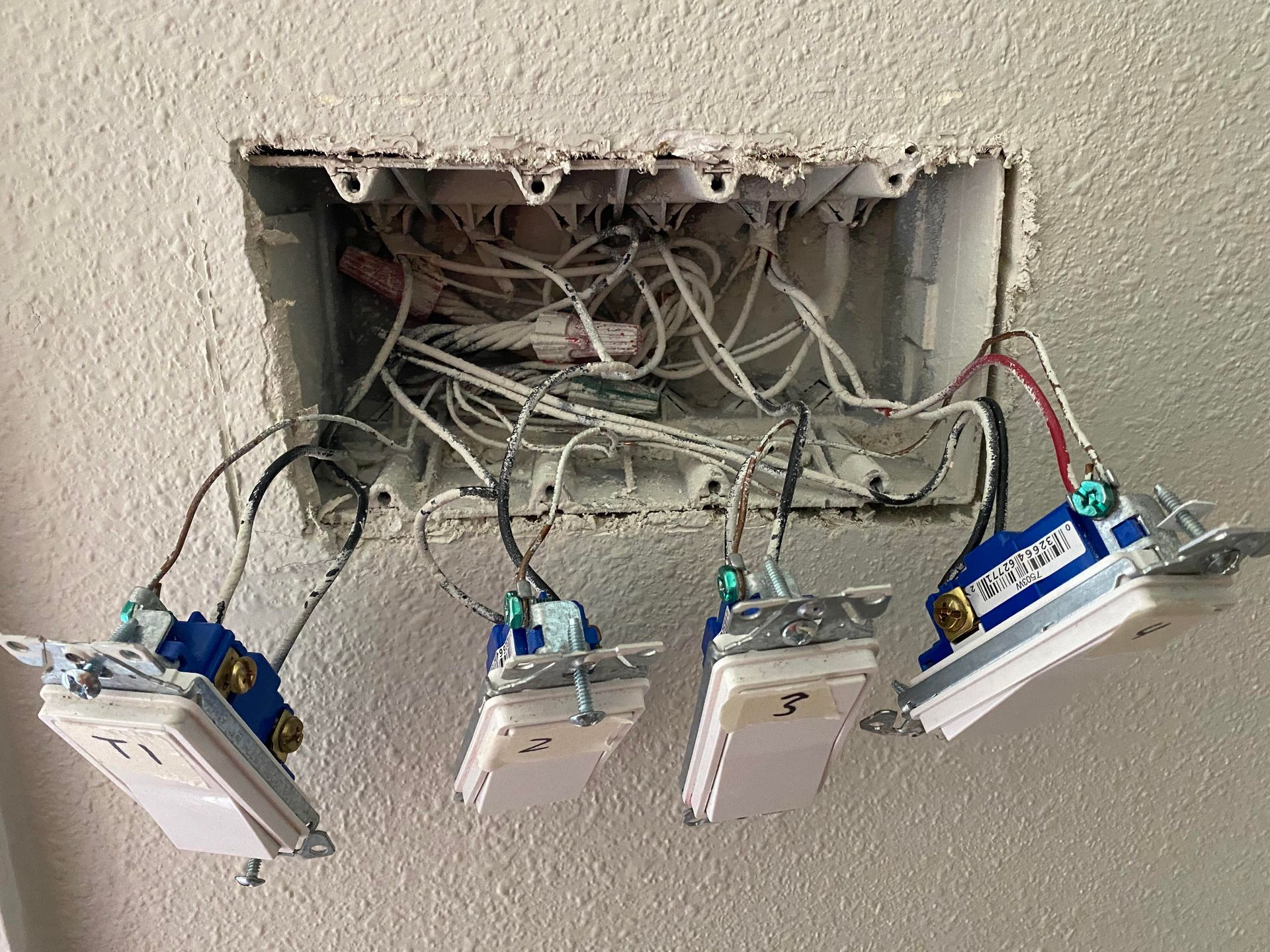
Empower yourself with the knowledge of the crucial difference between an electric load and a line wire. This understanding is essential for anyone working with electrical systems, whether a DIY enthusiast or a professional electrician.
Let's delve into it:
An electric load is any device or appliance that consumes electricity, like your refrigerator or laptop charger. It's the end point of an electrical circuit, where electrical energy is converted into another form of energy (heat, light, motion, etc.). But, equally important, a line wire is the conductor that carries electricity from the power source to the load.
It's not just a wire, it's the highway for electrons, allowing current to flow through the circuit. When it comes to voltage capacity, line wires are designed to handle the total voltage of your electrical system (typically 120V or 240V in homes). At the same time, loads are rated for specific voltages they can safely operate on.
The current flow in a line wire can vary depending on the connected loads, but it must always be within the wire's ampacity rating to prevent overheating. Loads, however, draw a specific amount of current based on their power requirements.
The safety features of line wires and loads are designed to instill a sense of security and confidence in your work. Line wires are insulated and often color-coded (black for hot, white for neutral, and green for ground) to prevent accidental contact and ensure proper connections.
Loads, on the other hand, have built-in safety mechanisms like fuses or circuit breakers. These switches, fuses and circuit breakers are designed to interrupt the flow of current in the event of an overcurrent situation, thereby protecting the load and the rest of the electrical system from damage or fire, further enhancing the safety of your electrical system.
When it comes to the electrical installation, the proper handling of line wires and loads is a testament to your responsibility and diligence. Line wires must be properly sized, securely fastened, and protected within walls or conduits.
They require careful routing and connection to maintain circuit integrity, which refers to the condition of the electrical circuit where all the components are properly connected and functioning as intended.
These electrical fuses and circuit breakers are critical for the safe and efficient operation of any electrical system.
Loads, however, are typically plugged into outlets or hardwired into the electrical system, often with simpler installation processes focused on secure mounting and proper electrical connection.
By understanding these differences and handling line wires and loads with care, you can ensure the safety and efficiency of your home's power distribution. This knowledge is critical for anyone working with electrical systems, providing a sense of security and confidence in your electrical work.
How To Wire a Light Switch?
Illuminating the Path: How to Wire a Light Switch
Have you ever found yourself in the dark about wiring a light switch? Don't worry, you're not alone! This essential DIY skill can brighten up your home improvement game.
Let's highlight the key differences between electric load and line wires. Regarding voltage capacity, the line wire carries the full 120V from your electrical panel while the load wire distributes power to your light fixture.
Current flow is another crucial aspect – the line wire consistently carries current, but the load wire only conducts when the switch is on. Electrical Safety is not just a suggestion; it's a necessity in this electrical journey.
The line wires typically have black insulation, a clear warning sign, while load wires are often red or another color. Always use a voltage tester before touching any wires – it's a small step that could save your life and ensure a successful project. Remember, your safety is our top priority Installation requirements differ, too.
The line wire connects to the switch's bottom terminal, while the load wire attaches to the top. Remember, improper wiring can lead to short circuits or even fires! It's crucial to be cautious and follow the instructions carefully.
Ready to flip the switch on your DIY skills? If you feel unsure, remember, you're not alone. Feel free to
call a professional electrician.
Your safety is worth more than any DIY victory, and we're here to support you in your home improvement journey!
What Is an Electric Load in a Home Electrical System?
An electric load is any device or appliance that uses electricity to operate. This includes items like light fixtures, refrigerators, HVAC systems, and outlets throughout your home.
When electricity flows into a load, it is converted into another form of energy such as:
- Light (bulbs)
- Heat (heaters)
- Motion (fans, motors)
In homes across Severance, Greeley, Fort Collins, and Northern Colorado, understanding electrical loads is essential for preventing circuit overloads and ensuring safe system performance.
What Is a Line Wire in Electrical Wiring?
A line wire is the conductor that delivers electricity from your electrical panel (breaker box) to outlets, switches, or devices. It is often referred to as the incoming power wire.
Key characteristics of a line wire:
- Carries live electrical current
- Comes directly from the power source
- Typically remains energized
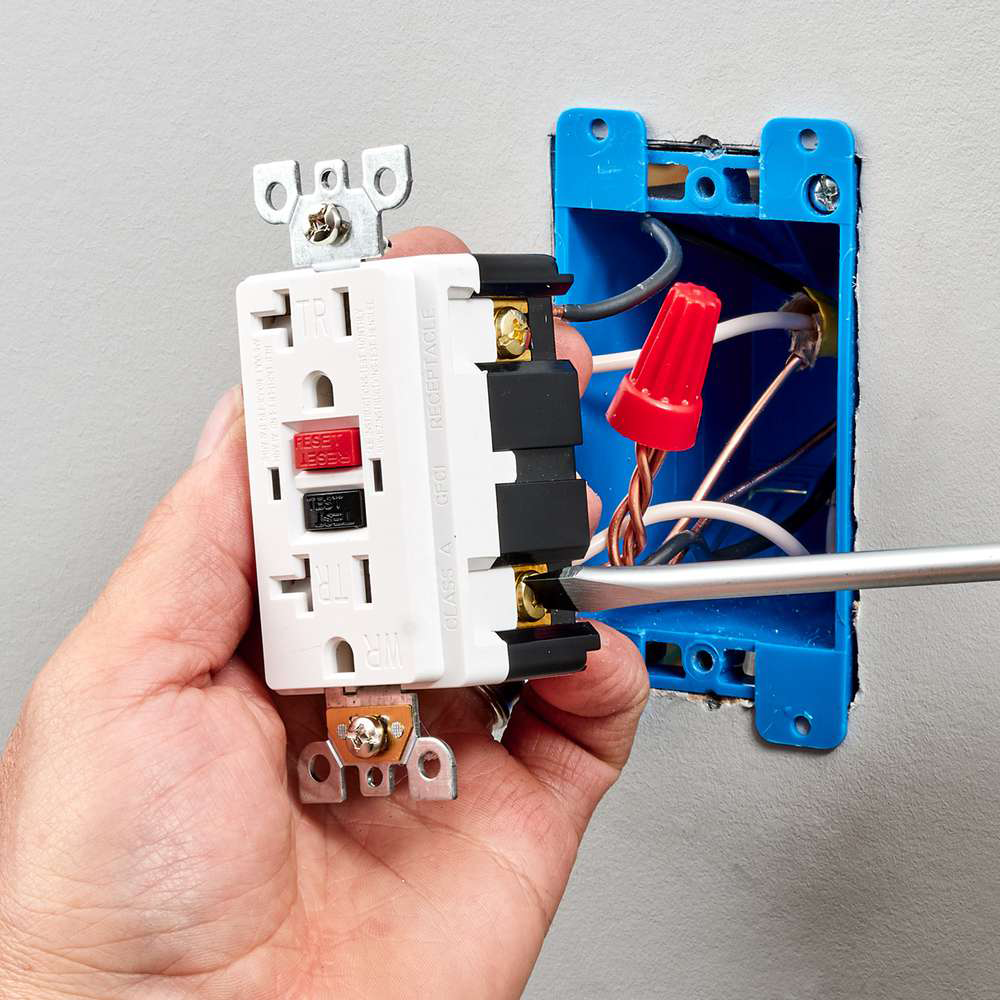
For homeowners in Northern Colorado, identifying the line wire correctly is critical when installing outlets, especially GFCI outlets, where proper wiring ensures safety and code compliance.
Electric Load vs Line Wire: Key Differences Explained
The difference between an electric load and a line wire comes down to their role in the electrical system:
- The line wire delivers power from the source
- The electric load consumes that power
Think of it like this:
- Line wire = supply
- Load = usage
In residential electrical systems throughout Severance, Greeley, and Fort Collins, this distinction is especially important when troubleshooting outlets or installing new circuits.
How Line and Load Wires Work Together in a Circuit
Every electrical circuit follows a simple path:
- Power starts at the electrical panel
- Travels through the line wire
- Reaches the load (device or appliance)
- The load uses the electricity to function
If line and load wires are reversed, the system may still appear to work—but it can create serious safety risks, especially in GFCI outlets commonly used in kitchens and bathrooms across Northern Colorado homes.
Why Proper Line vs Load Wiring Matters for Safety
Correctly identifying and connecting line and load wires is essential for:
- Preventing electrical shock
- Ensuring GFCI outlets trip properly
- Avoiding electrical fires
- Maintaining code-compliant installations
In areas like Fort Collins and Greeley, improper wiring is one of the most common causes of outlet failure and safety hazards.
How to Identify Line vs Load Wires
Homeowners and electricians in Severance and Northern Colorado can identify line vs load wires using these methods:
- Voltage tester:
The line wire will show power even when the device is off - Wire labeling:
Many outlets clearly mark LINE and LOAD terminals - Breaker connection:
The line wire comes directly from the breaker panel
⚠️ Always turn off power before inspecting wiring to avoid injury.
Common Mistakes When Connecting Line and Load Wires
Many electrical issues come from simple wiring mistakes, including:
- Reversing line and load connections
- Ignoring terminal labels on outlets
- Assuming wire colors are always correct
- Skipping proper testing tools
These mistakes can lead to non-functioning outlets or unsafe conditions in homes throughout Northern Colorado.
When to Call a Licensed Electrician in Northern Colorado
If you're unsure about line vs load wiring, it’s best to call a professional. A licensed electrician in Severance, Greeley, or Fort Collins can:
- Diagnose wiring issues
- Install GFCI outlets correctly
- Ensure your system meets local electrical codes
- Prevent costly or dangerous mistakes
Professional electrical services help keep your home safe and your system running efficiently.
Line vs Load Wiring in GFCI Outlets Explained
GFCI (Ground Fault Circuit Interrupter) outlets rely on correct line and load wiring to function properly.
- The line terminals supply power to the outlet
- The load terminals protect downstream outlets
If wired incorrectly:
- GFCI protection will fail
- Outlets may not reset
- Shock protection is lost
This is especially important in kitchens, bathrooms, and garages in Northern Colorado homes, where GFCI outlets are required by code.
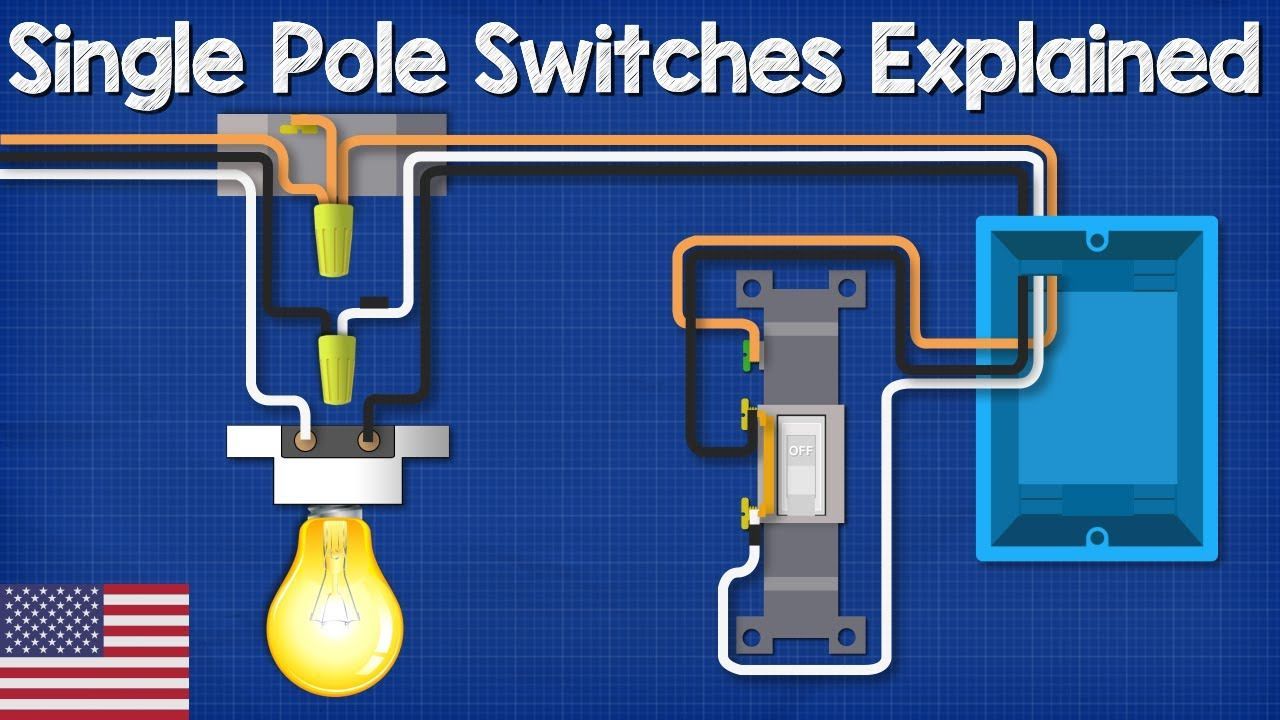
A Single Pole Switch is the unsung hero of your home's electrical system, silently controlling the power flow with a simple flick. This compact device, typically nestled within your walls, is designed to handle voltages up to 120V and currents of 15-20A, making it perfect for most household applications.
Installing a Single-Pole Switch is remarkably straightforward, requiring just two wire connections—one for the incoming power and another for the outgoing load. This simplicity should instill confidence in you, but remember, safety should always be your top priority. These switches have built-in safety features, such as grounding terminals and insulated bodies, to protect against electrical shocks and short circuits.
Single Pole Switches are the go-to choose for controlling individual circuits, from illuminating your living room to powering your kitchen appliances. Their versatility and reliability, proven time and again, make them indispensable for electricians, while their simplicity appeals to DIY enthusiasts and homeowners alike.
Whether you're rewiring an old house or simply curious about your home's electrical anatomy, understanding Single Pole Switches is not just important, it's empowering. It's vital to mastering your domain's power distribution. So, next time you enter a room, take a moment to appreciate the humble switch that brings light to your world with just a touch.
Picture the convenience of walking into a room and effortlessly controlling the lights from multiple locations—that's the magic of 3-way switch wiring. This ingenious electrical setup allows you to operate a single light fixture from two different switches, offering unparalleled convenience in your home. At its core, a 3-way switch system consists of two switches, a light fixture, and specialized wiring that includes "traveler" wires.
The installation process, while intricate, can be a rewarding project for DIY enthusiasts. It involves carefully connecting the line, load, and traveler wires to create a circuit that responds to either switch's position.
However, it's crucial to prioritize safety when working with electrical systems. Always turn off the power at the circuit breaker and use a voltage tester before beginning any work, ensuring your safety and peace of mind.
For homeowners, mastering 3-way switch wiring opens up a world of possibilities for customizing your lighting setup. Imagine controlling your hallway lights from both ends or your porch lights from inside and outside your home.
This is just the beginning of the potential that 3-way switch wiring can unlock for your home. Ready to illuminate your space with greater flexibility? Learn more about 3-way switch installation or consult a professional electrician to bring this lighting solution to life in your home.
Electrical switches, the unsung heroes of our daily lives, provide us with the convenience and control we often take for granted. They silently manage the flow of power at our fingertips, allowing us to turn lights on and off and power our appliances and lighting fixtures.
These essential devices are crucial in managing electrical current safely and efficiently, giving us the power to complete or break a circuit with a simple flip.
Modern switches are not just engineering marvels, but also prioritize safety. They are designed to handle specific voltage capacities and current flows, and many now come with built-in electrical features like ground fault circuit interrupters (GFCIs). These features can detect imbalances and cut power in milliseconds, providing an extra layer of safety and potentially saving lives.
While understanding the basics of switch wiring is invaluable for DIY enthusiasts and homeowners, it's crucial to remember that electrical work can be dangerous. For complex installations or if you need clarification, always consult a licensed electrician. Your safety matters, and their expertise can provide you with the security you need!
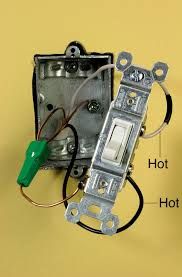
Installing a light switch may initially appear challenging, but armed with the right knowledge, it's a project well within the grasp of homeowners and enthusiasts. The process involves understanding electrical wiring, current flow, and voltage capacity. Safety is key Always remember to turn off the power at the circuit breaker before you begin!
Removing the old switch and identifying the line (power source) and load (light fixture) wires. Connect these to the new switch, paying close attention to your electrical system's specific wiring requirements. It's worth noting that modern switches often come with enhanced safety features, making the installation more user-friendly.
Remember, while this task can be rewarding, respecting electrical safety is crucial. If you're unsure, feel free to call a professional electrician. Your home's electrical system is not a place for guesswork. Ready to brighten up your DIY skills? Learn more about electrical safety before you start your switch installation project.
Ever wondered how to wire in the perfect dimmer in your home? Installing a dimmer light switch might be the answer! This simple upgrade can transform any room, giving you control over lighting intensity and energy consumption. Plus, it can extend the life of your bulbs and reduce your electricity bills!
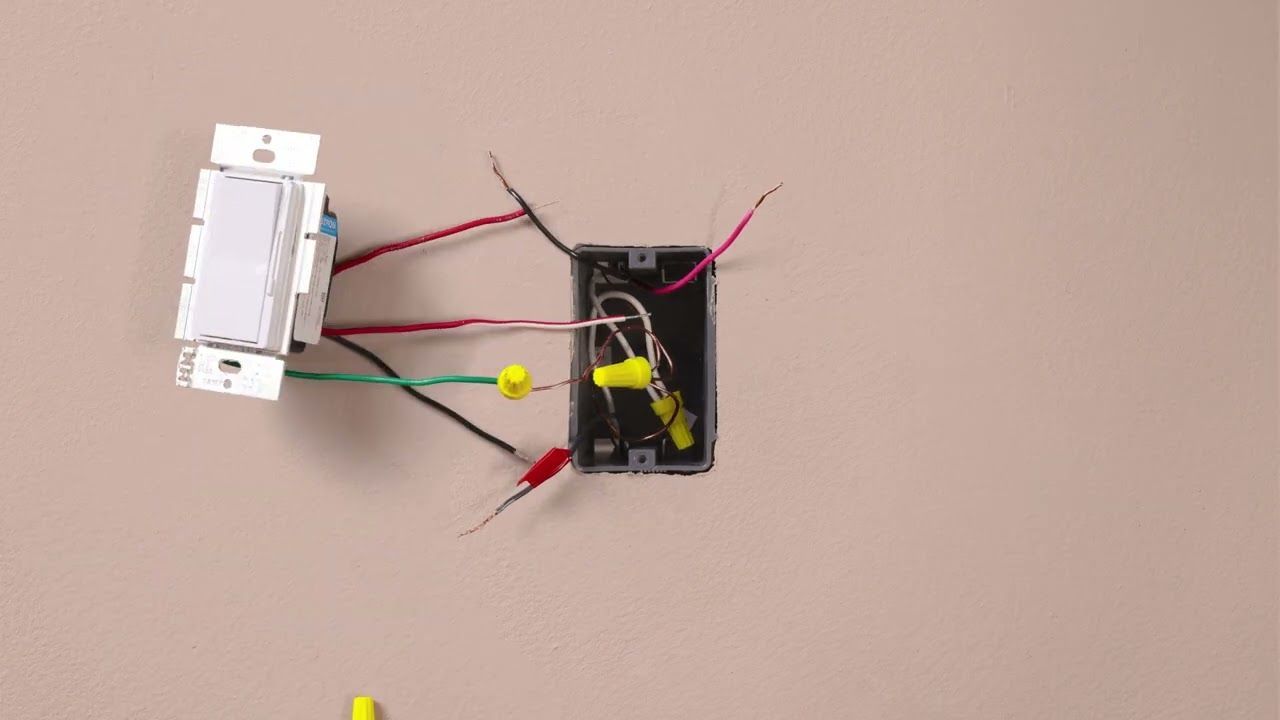
To ensure your safety, the first step is to turn off the power at your circuit breaker. Then, remove the old switch and identify the line (power source) and load (light fixture) wires. Connect these to your new dimmer switch, following the manufacturer's instructions carefully. Pay attention to the voltage capacity and current flow requirements to ensure compatibility with your existing setup.
While wiring a dimmer switch may seem straightforward, proper installation of the dimmer switch is crucial for functionality and safety. If you need more electrical confidence in your DIY skills, call a professional electrician. They can ensure your new dimmer is installed correctly and meets all safety standards.
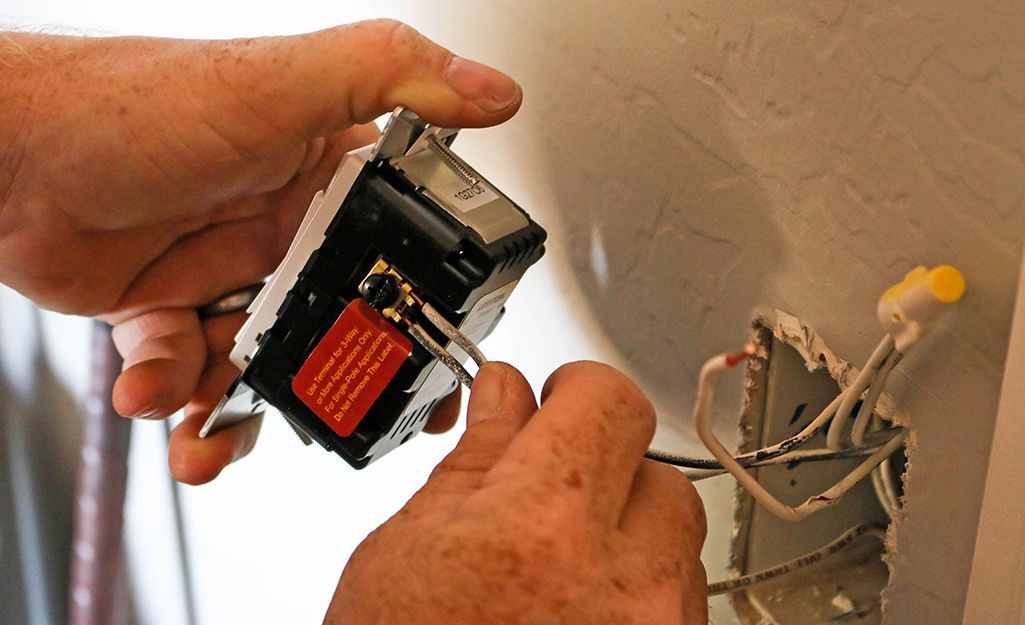
Installing a Dimmable Light Switch: A Bright Idea for Your Home
Ever wondered how to create the perfect ambiance in your living room? Installing a dimmable light switch might be the answer! This simple home improvement project can transform your lighting experience, offering flexibility and energy savings. The process involves working with your home's electrical system, connecting the dimmer to both line and load wires.
While it's a straightforward task for many DIY enthusiasts, it's crucial to prioritize safety.
The dimmer must match your light fixture's voltage capacity and current flow requirements. This upgrade offers precise control over lighting intensity for homeowners and DIYers alike, creating the perfect mood for any occasion. Plus, it can help reduce energy consumption, lowering electricity bills. Remember, consult a professional electrician.
Your safety is paramount when working with electrical systems. Ready to brighten (or dim) your home? Learn more about dimmable switch options and start planning your lighting makeover today! This upgrade offers precise control over lighting intensity for homeowners and DIYers alike.
How to Identify the Line and Load Wires?
Identifying line and load wires is a crucial skill for anyone working with electrical systems. Line wires, typically black or red, carry electricity from the power source to your electrical panel. They're always "hot" and demand utmost caution. On the flip side, load wires, often white or light-colored, distribute electricity to your outlets and fixtures.
The key difference? Line wires bring power in, while load wires send it out. To distinguish between them, look for color coding or use a voltage tester. Line wires will show voltage even when the circuit is off, while load wires won't.
Remember, misidentifying these wires can lead to dangerous short circuits or electrocution. Always turn off the main power before working on any electrical system. If you're unsure, don't hesitate to call a professional electrician. Your safety is paramount when dealing with electricity!
Determining the difference between line and load wires is crucial for safe and effective electrical work.
Line wires carry electricity from the power source to your electrical panel, while load wires distribute that power to various devices in your home. To distinguish between them, consider these key factors.
1. Voltage capacity: Line wires typically handle higher voltages coming directly from the utility.
2. Current flow: Line wires bring current in, while load wires send it out to appliances.
3. Installation: Line wires connect to the "line" side of circuit breakers or switches, load wires to the "load" side.
4. Safety features: Load wires often have additional protective measures like GFCI outlets.
Using a multimeter can help confirm wire types, but always exercise caution when working with electricity. If you're unsure, it's best to consult a professional electrician to ensure your safety and comply with local electrical codes.
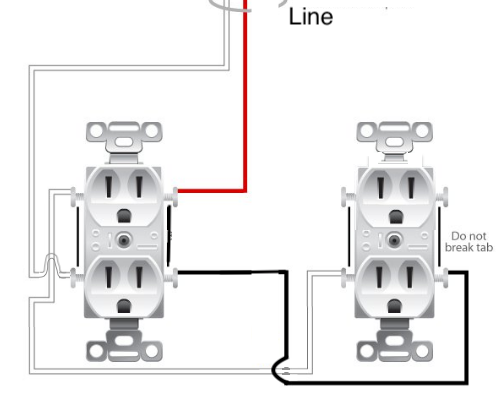
Determining the difference between line and load wires is crucial for safe and effective electrical work. Line wires carry electricity from the power source to your electrical panel, while load wires distribute that power to various devices in your home. To distinguish between them, consider these key factors:
- Voltage capacity: Line wires typically handle higher voltages from the utility.
- Current flow: Line wires bring current in, while load wires send it to appliances.
- Installation: Line wires connect to the "line" side of circuit breakers or switches and load wires to the "load" side.
- Safety features: Load wires often have additional protective measures like GFCI outlets.
An electrical multimeter is a valuable tool that can help confirm wire types, providing an extra layer of reassurance. However, always exercise caution when working with electricity. If you need more clarification, it's always a good to consult a professional electrician to ensure your personal safety and comply with local electrical codes.
What is a Load? Understanding the Heart of Electrical Circuits
Have you ever wondered why your lights dim when you turn on the vacuum cleaner? The answer lies in understanding electrical loads. In electricity, a load is any device that consumes electrical energy and converts it into another form of energy, such as light, heat, or motion.
Think of an electrical circuit as a busy highway.
The electricity is like cars zooming along, and the loads are the exits where these "energy cars" leave the highway to do work. Joint household loads include:
- Lightbulbs (converting electricity to light)
- Heaters (electricity to heat)
- Motors in appliances (electricity to motion)
For instance, a circuit with too many loads can and will lead to overheating and potential fire hazards. On the other hand, a circuit with insufficient loads can cause the electricity to 'back up,' leading to flickering lights and other issues.
Gripping the concept of loads is crucial for electricians and DIY enthusiasts. It helps them design safe, efficient circuits and troubleshoot electrical issues. Homeowners benefit, too—understanding loads can lead to smarter energy use and lower electricity bills.

When faced with two wires of the same color, correctly identifying the 'hot' wire is not just a task, but a critical safety measure for homeowners and DIY enthusiasts. Electrical cables typically adhere to a color code - black or red for hot, white for neutral, and green or bare copper for ground. However, in older homes or DIY projects, you might encounter situations where both wires share the same hue, posing a potential danger if not handled correctly.
In such cases, never assume which wire is hot. Instead, a voltage tester should be used to safely identify the live wire. Touch one probe to a known ground (like a metal box) and the other to each wire in turn. You will notice that wire that causes the tester to light up or beep is your hot wire.
Remember, working with electricity can be dangerous. If you find yourself in a situation where you need more clarification or are uncomfortable performing the test, don't hesitate to consult a licensed electrician. They have the electrical expertise and tools to identify and handle wires, regardless of their color, ensuring your personal safety and the proper functioning of your electrical system.
Proper wire identification is crucial for your safety and the appropriate functioning of your electrical system. When in doubt, always prioritize caution. It's your responsibility to ensure your home remains safe and up to code, and seeking professional help is a sign of your awareness of the potential risks.
Is the line or load the hot wire? This question is crucial for anyone dealing with electrical systems. The line wire is indeed the hot wire, carrying electricity from the power source to your electrical devices. It's the lifeline of your home's electrical system, buzzing with potential energy.
In contrast, the load wire carries electricity away from a device or outlet, completing the circuit.
For instance, in a light switch, the line wire brings power to the switch, and the load wire carries it to the light bulb. While both are essential, they serve distinct purposes. The line wire, being "hot," poses a greater safety risk and requires careful handling.
Remember, safety is paramount! Always handle the line wire with caution. It carries a higher voltage and can deliver a dangerous shock if mishandled. When working on electrical systems, use a voltage tester to identify the line wire before touching any connections. This simple and fast step can make a significant difference in your safety.
Installation requirements differ, too. The line wire typically connects to the brass-colored screw on outlets and switches, while the load wire attaches to the silver screw. Remember, understanding and implementing proper color coding is vital: black or red for line, white for neutral, and green or bare for ground.
This knowledge will make you feel more confident in your electrical work. Knowing & understanding the difference between line and load wires is not just about technical know-how, it's about keeping yourself and your home safe. This knowledge is power, whether you're a DIY enthusiast or a homeowner. For complex electrical work, always remember that your safety comes first. If you have second thoughts, it's always smart to consult a licensed electrician, who can ensure the work is done safely and correctly.
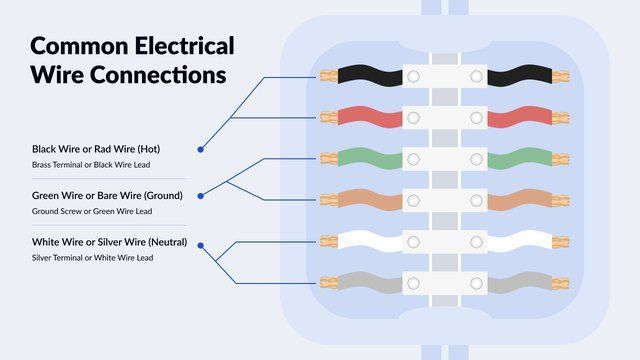
In the colorful world of electrical wiring, the common wire stands out with its distinctive white or gray hue. This unassuming yet crucial component, also known as the neutral wire, plays a vital role in completing electrical circuits.
Unlike its vibrant counterparts, the common wire's purpose is not to carry current to devices, but rather to provide a safe return path for electrical current back to the source. Imagine it as the silent hero of your home's electrical system, working tirelessly behind the scenes to ensure a smooth flow of electricity.
The common wire's primary function is to maintain a reference ground in your electrical system, effectively balancing the voltage and preventing dangerous overloads. It's the peacekeeper in the electrical realm, harmonizing the flow of energy and safeguarding your home from potential hazards.
For DIY enthusiasts and homeowners alike, understanding the common wire's significance is crucial for safe electrical work.
Its voltage capacity is typically zero under normal conditions, but it can carry current when needed. When installing or working with electrical systems, always treat the common wire with the same respect as live wires.
Remember, safety first! The common wire's installation requirements are specific and must be followed meticulously to ensure proper functioning and prevent electrical mishaps.
By appreciating the role of this unsung electrical hero, you're taking a step towards a safer, more efficient home electrical system. Next time you flick a switch, spare a thought for the humble common wire, silently completing the circuit and keeping your lights shining bright.
The color of a load wire provides crucial information about its purpose and characteristics in an electrical system. Also known as a "hot" wire, the load wire will carrie current from the power source to connected devices or outlets. Typically, load wires are black, red, or blue in residential wiring, with each color indicating different circuits or voltage levels.
Load wires play a vital role in our daily lives by conducting electricity to power various appliances and fixtures. They have a higher voltage capacity than neutral or ground wires, usually carrying 120V or 240V in standard household circuits. The current flow through load wires is carefully regulated to prevent overheating and ensure safe operation.
Proper identification and handling of load wires are essential for safety for electricians and DIY enthusiasts. These wires require careful insulation and should never be left exposed. During installation, load wires must be connected correctly to circuit breakers or fuses to provide overload protection, which is a safety feature that automatically shuts off the power when the circuit is overloaded.
Understanding load wire colors and their functions is crucial for homeowners and professionals alike. This knowledge helps ensure safe electrical work and efficient troubleshooting of electrical issues. Remember, always consult a licensed electrician for complex wiring tasks to maintain safety and code compliance. Their expertise will keep you safe and your home up to code.
What Color is the Line Wire
What Color is the Line Wire?
In standard electrical systems, the line wire (also known as the "hot" or "live" wire) is typically black or red. This crucial component carries the electrical current from the power source to the load.
The line wire's primary purpose is to deliver voltage, usually 120V or 240V in residential settings, to power various devices and appliances, thereby playing a significant role in our daily lives.
Unlike the neutral (white) or ground (green) wires, the line wire is always energized when the circuit is live, making it potentially dangerous if mishandled. For safety, it's essential to:
- Always turn off power at the breaker before working with electrical wiring
- Use insulated tools when necessary
- Never touch a bare line wire or allow it to contact other wires or metal surfaces
Understanding the color and function of line wires is crucial for safe DIY electrical work. However, when in doubt, it's always best to consult a licensed electrician for complex electrical tasks or if you're unsure about wire identification. This professional guidance can provide you with the reassurance of safety and accuracy in your electrical work.
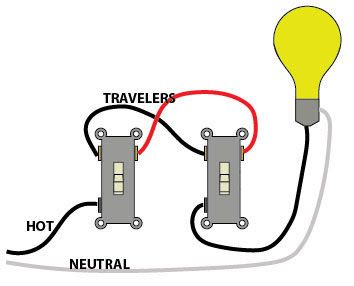
A traveler wire, often overlooked but crucial in electrical systems, is a vital component for power distribution and control. Its unique role in multi-way switching circuits, a feature that might not be widely known, is what makes it so important.
Typically, identifiable by its distinctive color coding (often red or blue), the traveler wire carries the 'switched' hot current between switch locations. This unique function allows for controlling lights or other electrical devices from multiple points, giving you the power to design lighting systems that suit your needs.
While a load line directly powers electrical devices and a line wire brings power to a switch, the traveler wire acts as an intermediary. It can handle voltage capacities and current flow like standard line wires but requires specific installation techniques.
This caution is necessary to ensure proper functionality and safety. Understanding the purpose and proper installation of traveler wires is crucial for electricians and DIY enthusiasts.
Safety features, such as adequate insulation and correct termination, are paramount when working with these wires. Always ensure compliance with local electrical codes and consult a professional for complex multi-way switch installations to ensure safety and proper functionality.
Learn More About Electrical Safety
By mastering the intricacies of traveler wires, you'll enhance your ability to create flexible and efficient lighting systems in residential and commercial settings.
Imagine your home's electrical system as a bustling highway. In this scenario, the load is like the destination for electricity—it's any device that consumes electrical power. From your trusty toaster, your hard-working air conditioner, your energy-efficient LED bulbs, to your power-hungry electric car charger, these are all loads in your home's circuit.
Loads are designed with specific voltage capacities, like different vehicles' fuel requirements. They also dictate the current flow, similar to how traffic volume changes on our imaginary highway. It's your responsibility to match the load's needs with your circuit's capabilities to prevent overloading—think of it as avoiding a traffic jam that you have the power to prevent!
Safety features are built into loads and circuits, acting as vigilant traffic controllers. These include fuses and circuit breakers that cut power when things get too "hot," electrically speaking, make sure you are not only protecting your safety but are protecting your home from potential electrical hazards like fire.
Electrical Installation requirements vary depending on the load. Some, like a simple lamp, can plug right into an outlet. Others, such as an electric car charger, may need professional installation to ensure they're safely integrated into your home's electrical 'roadmap.'
Understanding loads is critical to maintaining a safe and efficient electrical system. Always prioritize safety, whether you're a curious homeowner or a DIY enthusiast. When in doubt, remember that a professional electrician is just a call away, ready to keep your electrical highway running smoothly!
Electric Loads & Line Wire
How to Install a Double Light Switch?
Upgrading your home's lighting control is a straightforward task that anyone can master! Installing a double light switch is a practical DIY project to enhance your room's functionality and aesthetics. Whether you're a curious homeowner or a budding electrician, this guide will illuminate the path to success.
To begin your double light switch installation adventure, follow these key steps:
- Safety first: Turn off the power at the circuit breaker.
- Out with the old: Carefully remove the existing switch plate and disconnect the wires.
- Wire wizardry: Connect the cables to your new double switch, following the manufacturer's instructions.
- Mounting magic: Secure the new switch and reattach the cover plate.
While this process might seem straightforward, electrical work can be tricky.
If you're unsure at any point, remember that professional help is always available. Don't hesitate to call in a professional electrician if you need assistance. Your safety is always the brightest idea!
How to Install a Smart Light Switch?
Upgrading to a smart light switch can revolutionize your home's lighting experience. But before you start, remember to turn off the power at your breaker box - safety always comes first! Then, carefully remove the old switch, taking note of the wire connections. With a steady hand, connect the new smart switch's wires to your home's wiring.
Finally, mount the sleek new switch into place. In just a few steps, you've entered the world of home automation! And if you ever feel unsure or need clarification, remember that you can always call a professional electrician. Your safety is our top priority in this exciting DIY project, and we're here to support you every step of the way.
How to Install a Ceiling Fan light Switch?
Installing a ceiling fan light switch is a manageable DIY project for homeowners and aspiring electricians. The process involves four crucial steps:
1. Turn off power at the circuit breaker
2. Remove the old switch carefully
3. Connect wires according to manufacturer instructions
4. Mount the new switch securely
Safety is paramount, so always double-check power is off before starting. With patience and attention to detail, you'll have your new switch installed in no time. Ready to brighten up your space? Grab your tools and let's get started!
How to Install a Light switch?
Installing a double light switch is a manageable DIY project for homeowners and aspiring electricians. **Safety first**: Turn off the power at the circuit breaker before starting. Remove the old switch carefully, then connect the wires to the new switch following the manufacturer's instructions.
*Tip: Take a photo of the original wiring for reference. * Once connected, securely mount the new switch in the electrical box. With the right tools and precautions, you'll have your new switch up and running in no time. Remember, if you're unsure at any point, don't hesitate to call a professional electrician.
How do you Wire a Three-Way light Switch?
Ever wondered how to control a light from two different locations? That's where a three-way light switch comes in handy! Perfect for DIY enthusiasts and homeowners, this project involves a few key steps: turning off power, removing the old switch, connecting wires, and mounting the new switch.
While it may seem daunting, with proper precautions and tools, you can enhance your home's lighting functionality. Remember, safety first! If you're unsure, don't hesitate to consult a professional electrician.
How do I Wire a Two-Way Switch?
Upgrading your home's lighting? Here's how to wire a two-way switch safely. First, always turn off the power at the circuit breaker. Remove the old switch carefully, noting wire connections. Connect the new switch's wires according to the manufacturer's instructions, typically matching colors (black to black, white to white). Secure all connections with wire nuts. Finally, mount the new switch in the electrical box and reattach the cover plate. Remember, if you're unsure at any point, it's best to consult a professional electrician. Safety first!
How do you Wire in a Switch?
Wiring a switch may seem daunting, but with proper precautions, it's a manageable DIY task. The process involves four key steps: turning off power, removing the old switch, connecting wires, and mounting the new switch. **Safety first:** Always cut power at the breaker before starting. Carefully follow color-coding for wire connections to ensure proper function. If you're unsure at any point, don't hesitate to consult a professional electrician. *Ready to brighten up your home?
If you’re still having trouble finding the right electrician to help you with your residential, Commercial and Industrial electrical issues, consider contacting AC-DC Electric. We maintain a network of reliable and affordable electricians who can offer assistance.
Our Experience
At AC-DC Electric, we have been offering both residential, commercial & Industrial electrical services for over four decades. Our experience has taught us the best ways to perform various procedures. Our management and staff have seen electric systems evolve over time and have gained a deeper understanding of how they work. Thanks to our experience, we rarely encounter issues that we have never seen before.
Our knowledge
Each of our electricians and technicians is licensed, certified, and trained to provide high quality services. We understand the importance that electric systems play in both residential and commercial properties. This is why we handpick the best staff who are both knowledgeable and have demonstrated their ability in a variety of situations.
At AC-DC Electric, we foster an environment that encourages excellence. You can count on our electricians and technicians to get the job done with both speed and skill.
Our Transparent Pricing
Dealing with an electrical problem at home can be incredibly distressing, and many electricians and companies are willing to exploit people experiencing such issues by charging them high fees. At AC-DC Electric, we strive to provide high quality services at affordable rates. Our electricians’ specialize in Residential, Commercial & Industrial electrical services. We can also offer you a free estimate before you hire us. This ensures you remain aware of how much you will need to pay before using our electrical services.
If you’re ready to tackle your residential, commercial or Industrial property’s electrical problems quickly, please contact AC-DC Electric today. Our experts are always happy and ready to help residents in Fort Collins, Greeley, Evans, Johnstown,
Loveland,
Brighton,
Commerce City and
Denver Call today for a free estimate at 970-330-1656.
What is the difference between a line wire and a load wire?
The primary difference is the direction of the electrical current. A line wire is the "incoming" wire that delivers power from the main source (like your electrical panel) to a device. A load wire is the "outgoing" wire that carries that power from the device to the rest of the circuit or a specific appliance, such as a light fixture or another outlet.
How can I identify which wire is line and which is load?
To identify the wires, you should use a non-contact voltage tester. With the power on and the wires safely separated:
Line Wire: This wire will register as "hot" or live because it is connected directly to the power source.
Load Wire: This wire will show no voltage when the switch is off or the device is disconnected, as it only carries power "downstream."
Visual Cues: In many installations, the line wire is black, while the load wire may be red or black. However, testing is the only way to confirm, as color coding is not always consistent.
Are line and load wires interchangeable?
No, line and load wires are not interchangeable. While a simple light switch might still function if the wires are reversed, more complex devices like GFCI outlets, dimmers, and smart switches require specific connections to operate safely and correctly. Reversing these wires can cause the device to malfunction or create a fire hazard
Why is line vs. load wiring important for GFCI outlets?
Correctly identifying line and load is critical for GFCI (Ground Fault Circuit Interrupter) outlets because they provide safety protection for everything "downstream." If you mix them up:
Safety Risk: The outlet may still provide power, but the GFCI protection will not function, leading to a risk of electrocution.
Circuit Failure: Downstream outlets will not be protected from ground faults.
Always connect the incoming power to the terminals marked "LINE" and the wires leading to other outlets to the "LOAD" terminals.
Does a dimmer switch have a load wire?
Yes. A dimmer switch requires a line wire to receive power and a load wire to send a controlled, "dimmed" amount of voltage to the light bulb. If you are installing a smart dimmer, it may also require a neutral wire (usually white) to power the switch’s internal electronics, which is separate from the line and load wires.
Is the black wire always the line wire?
In standard residential wiring, the black wire is typically the "hot" line wire, but you cannot rely on color alone. In some circuits, a red wire may act as the load wire (or "switch leg") for a light fixture. In three-way switch setups, colors can become even more complex. Always use a multimeter or voltage tester to confirm which wire is carrying the incoming voltage before making connections.
What happens if you wire line and load backwards?
If you reverse the line and load wires on a standard switch, the light will likely still work, but it is not following electrical best practices. However, if you wire a GFCI outlet backwards:
The outlet may power up, but the "Test" and "Reset" buttons will not work properly.
The outlet will not provide ground-fault protection to any other outlets connected downstream.
Many modern GFCIs have a lockout feature that will prevent power from flowing at all if they are wired incorrectly.
What is a "Line-Side" tap?
A line-side tap is a connection made to the electrical system before it reaches the main service-disconnect or breaker. This is most commonly seen in solar panel installations. By tapping into the line side, the solar system can feed power back into the grid or the home's main panel without being limited by the capacity of the individual branch circuit breakers.
How do I tell the difference between line and load on a GFCI?
On a GFCI outlet, the terminals are usually labeled on the back of the device. The Line terminals are for the incoming power from the breaker panel. The Load terminals are typically covered by a yellow sticker from the factory; these terminals send protected power to other "downstream" outlets in the circuit. If you are replacing an existing outlet, the "hot" wire that stays live when the breaker is on is your line wire.
Why is my load wire showing voltage when the switch is off?
If a load wire shows a small amount of voltage when the switch is off, it is often "phantom voltage" or "induced voltage" caused by wires running parallel to each other in the same conduit. However, if it shows full house voltage (120V), the switch may be faulty, or the circuit may be miswired, sending power to the device through the neutral side instead of the hot side.
Does a light switch have a line and a load side?
Yes. In a standard light switch setup:
The line side is the wire bringing power from the breaker panel to the switch.
The load side (often called the "switch leg") is the wire that runs from the switch to the light fixture. When you flip the switch to "on," it connects the line to the load, completing the circuit and turning on the light.
Does every circuit have both a line and a load side?
Yes. Every electrical circuit has a source side (line) and a destination side (load) — even if the load is simply a light fixture or appliance. In multi-outlet circuits, each device can act as both load and line depending on its position.
How do I know which wire is hot, neutral, or ground?
Typical U.S. wiring conventions (but not always reliable):
Hot (line) – Black or red
Neutral – White
Ground – Green or bare copper
Always test wires to confirm before touching or modifying anything.
What happens if you reverse line and load wires?
If you wire a device with the line and load reversed, it may still appear to work, but critical safety features can fail. On GFCI/AFCI outlets, reversing the wires disables downstream protection without giving you an obvious warning. This creates shock and fire risks. Always verify wiring before powering the circuit.
Can I cap off or ignore load wires if I’m not feeding other outlets?
Yes. If the outlet or device is the final point in the circuit, the load wire can be safely capped and tucked into the box. Ensure the connections are properly insulated, and follow local electrical codes.
Do I need an electrician to identify line and load wires?
If the wiring is old, non-standard, unmarked, or altered by previous owners, it’s wise to hire a licensed electrician. Misidentifying these wires when installing protective devices can disable safety features — or create hazards. When in doubt, get a professional.
You might also like