Why Does My Circuit Breaker Keep Tripping in Greeley, CO? Causes, Warning Signs & Repair Options
A circuit breaker that keeps tripping may be caused by an overloaded circuit, faulty appliance, short circuit, ground fault, damaged wiring, failing breaker, or a problem with the electrical panel.
If the same breaker repeatedly trips after being reset, homeowners in Greeley, CO should have the electrical system inspected to determine the cause and prevent a potentially more serious electrical problem.
Circuit breakers are designed to protect your home by shutting off electrical power when a circuit becomes overloaded or unsafe.
An occasional trip may happen when too many appliances are operating on the same circuit.
However, when a breaker begins tripping repeatedly, it may indicate an electrical problem that should not be ignored.
For homeowners in Greeley, understanding why a circuit breaker keeps tripping can help determine whether the issue is a simple overload or whether professional electrical troubleshooting is needed.
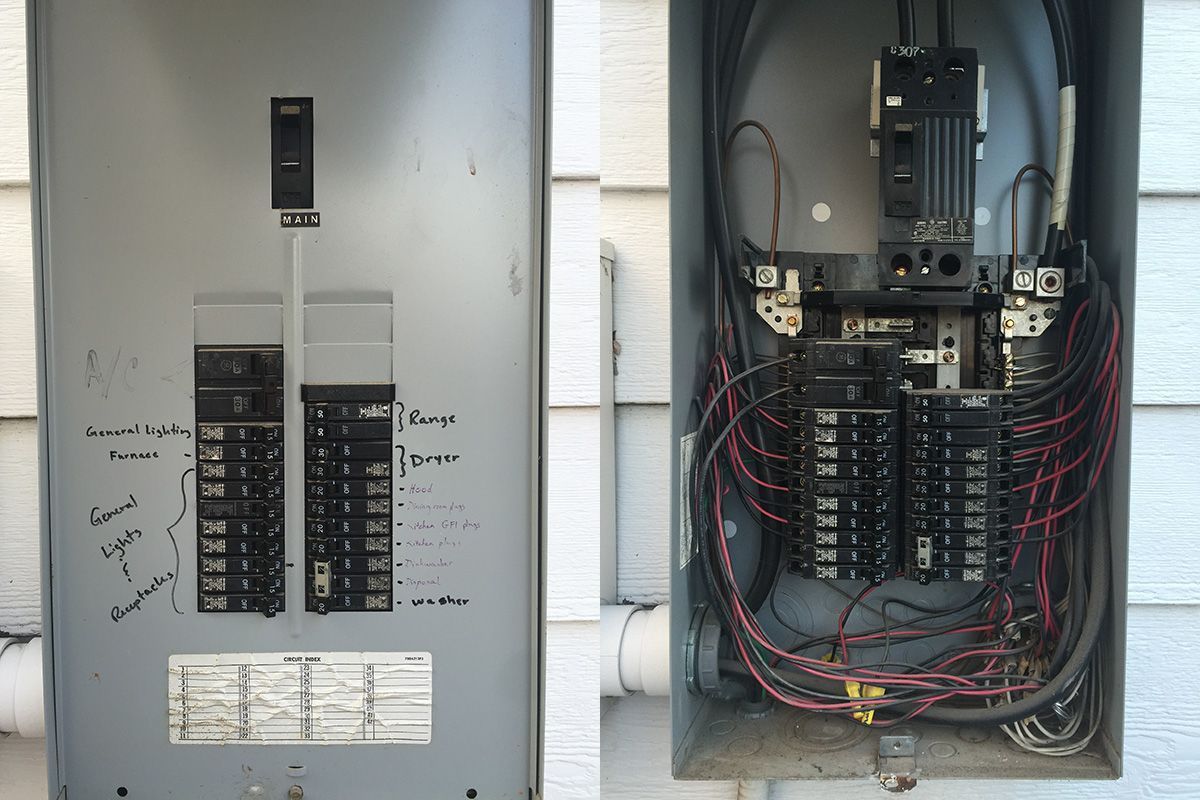
A circuit breaker trips when it detects electrical conditions that exceed what the circuit is designed to safely handle.
Common causes include:
- Overloaded electrical circuits
- Faulty appliances
- Short circuits
- Ground faults
- Loose or damaged electrical wiring
- Worn or failing circuit breakers
- Electrical panel problems
- Increased electrical demand within the home
The breaker interrupts power to help prevent wiring from overheating.
Repeated breaker trips should therefore be treated as a warning that something within the electrical system needs attention.
An overloaded circuit occurs when electrical devices connected to the circuit require more power than the circuit can safely provide.
For example, a homeowner may have several high-demand devices operating on the same circuit, including:
- Space heaters
- Hair dryers
- Microwaves
- Toasters
- Portable air conditioners
- Power tools
- Vacuum cleaners
- Kitchen appliances
When the electrical demand exceeds the circuit's capacity, the breaker trips to prevent overheating.
You may notice that the breaker trips only when several devices are operating at the same time.
Reducing the number of devices connected to the circuit may temporarily solve the problem, but frequent overloads may indicate that additional circuits are needed.
Can a Faulty Appliance Cause a Breaker to Keep Tripping?
Yes. A damaged or malfunctioning appliance can cause a circuit breaker to trip.
Electrical appliances can develop internal wiring problems, damaged cords, failing motors, or other electrical faults.
If the breaker consistently trips when one particular appliance is turned on, that appliance may be contributing to the problem.
Examples may include:
- Refrigerators
- Dishwashers
- Washing machines
- Dryers
- Garbage disposals
- Space heaters
- Microwaves
- Air conditioning equipment
An electrician can help determine whether the issue is with the appliance, the electrical circuit, or both.
What Is a Short Circuit?
A short circuit occurs when electrical current travels along an unintended path with very little resistance.
This can allow a large amount of electrical current to flow suddenly, causing the circuit breaker to trip almost immediately.
Possible causes include:
- Damaged wiring
- Loose electrical connections
- Damaged outlets
- Faulty switches
- Appliance wiring failures
- Wires contacting each other where they should not
Short circuits can create significant heat and should be inspected by a qualified electrician.
A breaker that trips immediately every time it is reset can sometimes indicate a short circuit or another serious electrical fault.
What Is a Ground Fault?
A ground fault happens when electrical current travels outside its intended path toward a grounded surface.
Ground faults are especially concerning in locations where moisture may be present, including:
- Bathrooms
- Kitchens
- Garages
- Basements
- Outdoor outlets
- Laundry rooms
Ground-fault circuit interrupter outlets and breakers are designed to respond quickly when these conditions occur.
If a GFCI outlet or breaker repeatedly trips, there may be moisture, damaged wiring, a faulty appliance, or another electrical problem that requires troubleshooting.
Can Loose or Damaged Wiring Cause Breakers to Trip?
Yes.
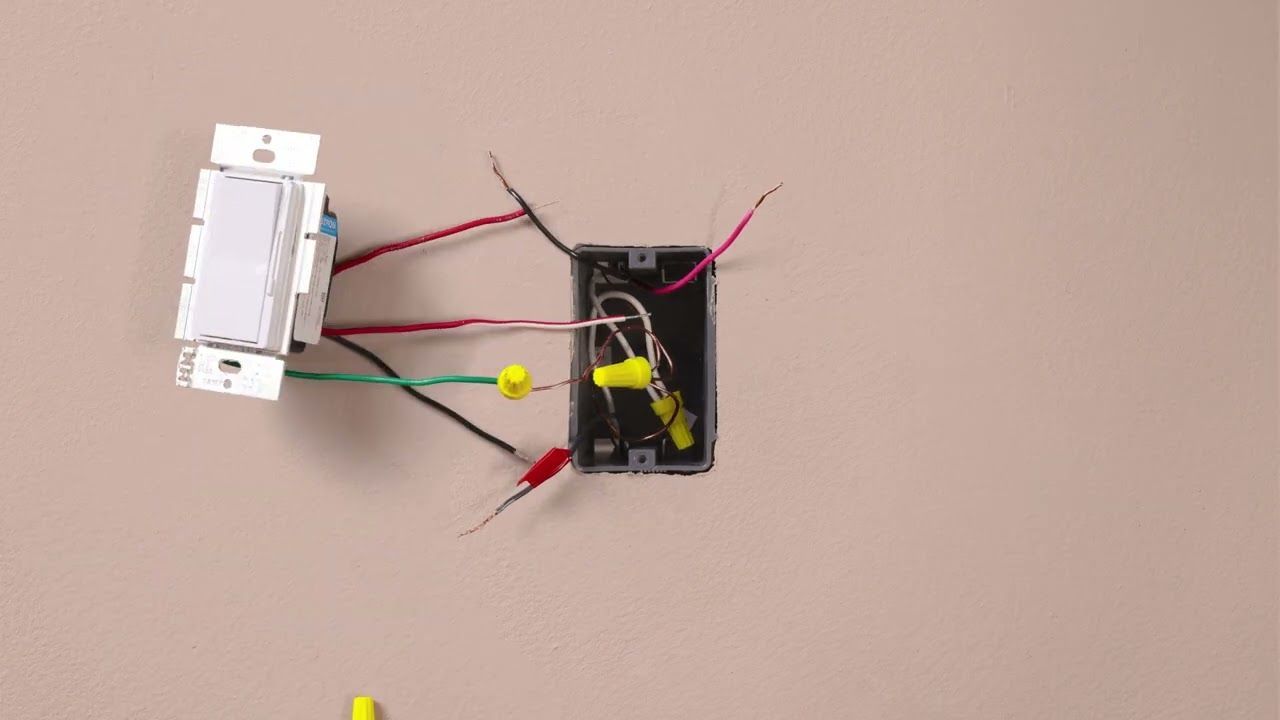
Loose electrical connections, damaged wiring, or deteriorating insulation can create unstable electrical conditions that cause a breaker to trip.
Potential warning signs may include:
- Flickering lights
- Dimming lights
- Buzzing sounds
- Warm outlets
- Discolored outlets
- Burning odors
- Intermittent power
- Repeated breaker trips
Loose electrical connections can generate heat, making them especially important to identify and repair.
Electrical wiring problems are generally not something homeowners should attempt to diagnose by repeatedly resetting breakers.
Circuit breakers can wear out over time.
A breaker may eventually become weak, damaged, or unable to operate properly.
Signs of a possible failing breaker may include:
- Frequent unexplained tripping
- Breaker will not remain in the ON position
- Breaker feels unusually warm
- Visible discoloration
- Burning smell near the electrical panel
- Breaker trips despite normal electrical demand
However, replacing the breaker without identifying why it was tripping can hide the real problem.
An electrician should determine whether the breaker itself has failed or whether another electrical condition is causing the breaker to operate.
Why Does My Breaker Keep Tripping With Nothing Plugged In?
Sometimes a breaker continues to trip even when appliances and devices have been unplugged.
In that situation, the cause may be inside the electrical system rather than a plugged-in device.
Potential causes can include:
- Damaged wiring
- Short circuits
- Ground faults
- Loose connections
- Faulty outlets or switches
- A defective circuit breaker
- Electrical panel problems
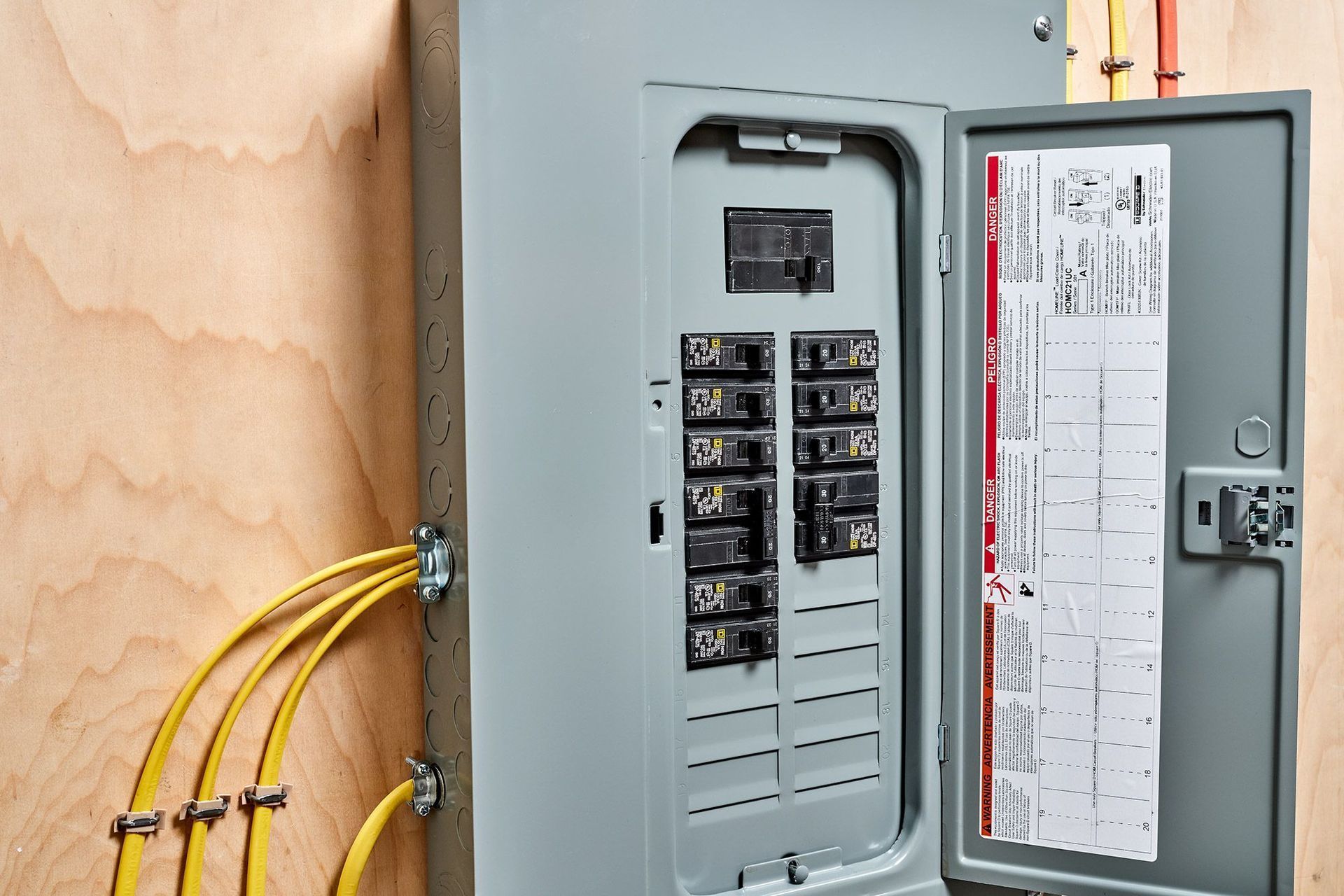
In some homes, repeated breaker problems may be related to the electrical panel.
Older electrical systems were designed when homes used significantly fewer electrical devices.
Today's households may include:
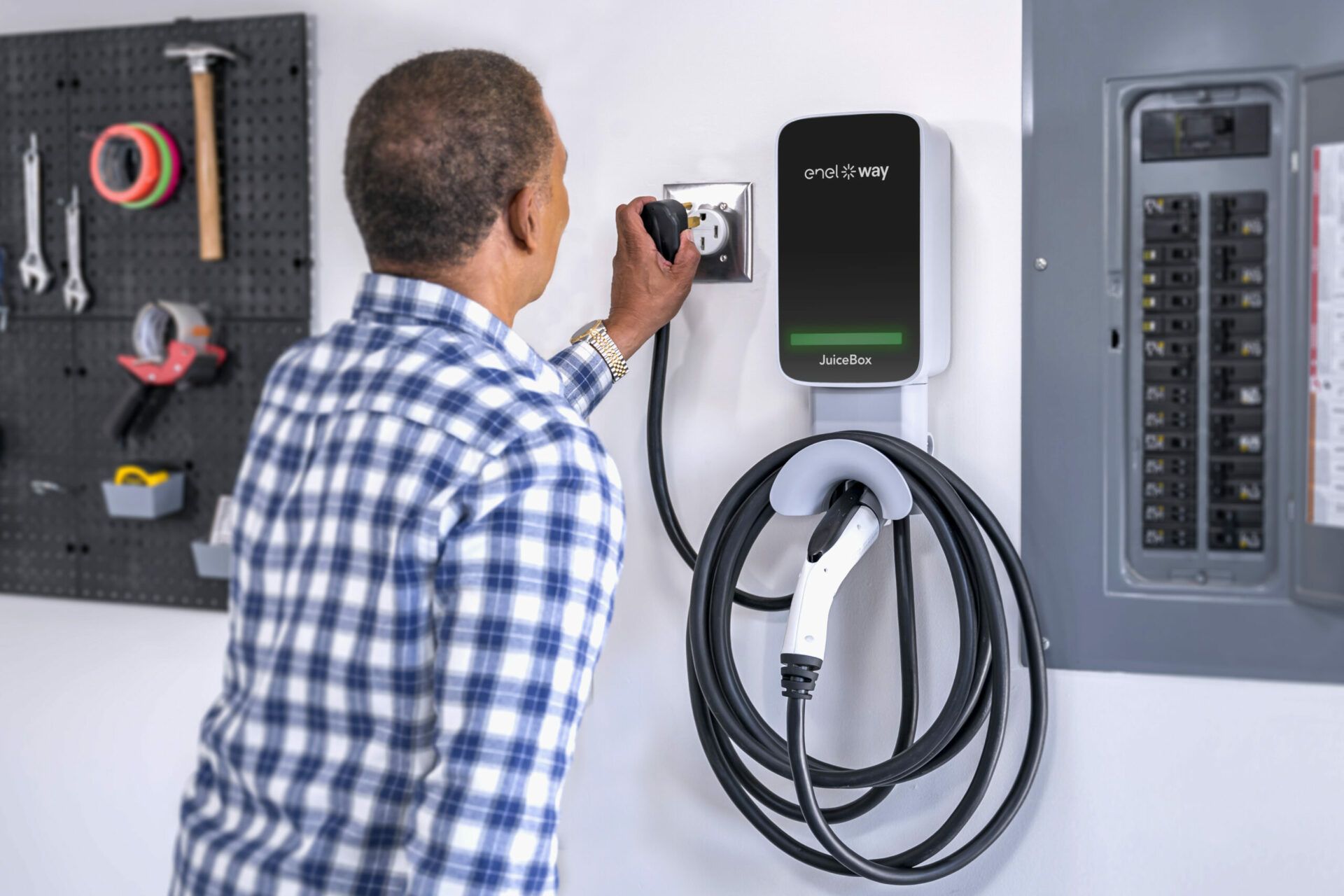
Electric vehicles
Home offices
Large televisions
Computers
Multiple HVAC systems
Hot tubs
Modern kitchen appliances
Garage equipment
High-powered electronics
As electrical demand increases, older electrical panels may become less capable of supporting the home's needs.
Signs that the panel may need professional evaluation include:
Frequent breaker trips
Limited available breaker spaces
Buzzing from the electrical panel
Heat around the panel
Visible corrosion
Burning odors
Multiple overloaded circuits
Plans to install major electrical equipment
Not every tripping breaker means the electrical panel needs to be replaced.
Proper electrical troubleshooting should identify the actual cause before recommending repairs or upgrades.
Should You Keep Resetting a Tripping Breaker?
A breaker that trips once because several high-powered appliances were running at the same time may reset normally after the electrical load is reduced.
However, repeatedly resetting a breaker without determining why it is tripping is not recommended.
The breaker may be responding to:
- Overloaded wiring
- A short circuit
- A ground fault
- Damaged wiring
- A failing appliance
- Electrical panel problems
If the breaker trips again shortly after being reset, professional electrical troubleshooting may be necessary.
Never force a breaker into the ON position.
Warning Signs That You Should Call an Electrician
Some breaker problems should be inspected promptly.
Contact an electrician if you notice:
- The same breaker repeatedly trips
- The breaker trips immediately after resetting
- Burning smells
- Buzzing or crackling sounds
- Warm or hot outlets
- Warm electrical panel
- Scorched outlets or switches
- Flickering lights throughout the home
- Power repeatedly cutting out
- Breaker will not remain on
- Breaker trips even when nothing is plugged in
These symptoms may indicate damaged wiring, loose electrical connections, circuit problems, or electrical panel issues.
How Electricians Diagnose a Circuit Breaker That Keeps Tripping
Electrical troubleshooting usually involves identifying what is connected to the affected circuit and determining when the breaker trips.
Depending on the situation, an electrician may inspect:
- Circuit breaker condition
- Electrical panel connections
- Outlets
- Switches
- Wiring
- Appliances
- GFCI or AFCI devices
- Electrical load on the circuit
Testing helps determine whether the problem involves an overload, wiring fault, failing breaker, appliance problem, or another electrical issue.
Accurate diagnosis is important because replacing parts without finding the underlying cause may not solve the problem.
Circuit Breaker Repair Options
The appropriate repair depends on what is causing the breaker to trip.
Possible solutions may include:
- Repairing loose wiring
- Replacing damaged wiring
- Replacing a faulty outlet
- Replacing a damaged switch
- Replacing a failing circuit breaker
- Repairing a short circuit
- Correcting a ground fault
- Installing a dedicated electrical circuit
- Redistributing electrical loads
- Upgrading the electrical panel when necessary
The goal should be to correct the underlying electrical problem rather than simply stopping the breaker from tripping.
Frequently Asked Questions About Tripping Circuit Breakers
Why does my circuit breaker keep tripping?
A breaker may repeatedly trip because of an overloaded circuit, faulty appliance, short circuit, ground fault, damaged wiring, failing breaker, or electrical panel problem.
Is it dangerous if a breaker keeps tripping?
Repeated breaker trips can indicate an electrical condition that should be investigated. The breaker is shutting off power because it has detected an abnormal electrical condition.
Why does my breaker trip when I turn on an appliance?
The appliance may be drawing too much electricity, the circuit may already be heavily loaded, or the appliance may have an electrical fault.
Can a bad breaker cause itself to trip?
Yes. Circuit breakers can wear out or become damaged. However, the circuit should still be inspected to rule out wiring or electrical load problems before assuming the breaker itself is the only issue.
Why does my breaker trip immediately after I reset it?
Immediate tripping may indicate a short circuit, ground fault, wiring problem, or another serious electrical fault.
Should I replace a breaker that keeps tripping?
Not automatically. The cause of the tripping should first be identified. Replacing a breaker without diagnosing the electrical problem may leave the original issue unresolved.
Do I need an electrical panel upgrade if breakers keep tripping?
Not necessarily. Breaker trips can have many causes. An electrician should evaluate the circuits and panel before determining whether an electrical panel upgrade is appropriate.
Circuit Breaker Troubleshooting in Greeley, CO
A circuit breaker that keeps tripping is doing its job by shutting down an electrical circuit when unsafe conditions are detected.
If your circuit breaker keeps tripping in Greeley, CO, AC-DC Electric can inspect the affected circuit, identify the cause, and recommend the appropriate repair.
From electrical troubleshooting and circuit repairs to breaker replacement and electrical panel upgrades, AC-DC Electric helps homeowners address electrical problems safely and correctly.
Contact AC-DC Electric today to schedule electrical troubleshooting or repair in Greeley, CO.
You might also like