Does My Greeley Electrical Panel Need to Be Upgraded for an EV Charger?
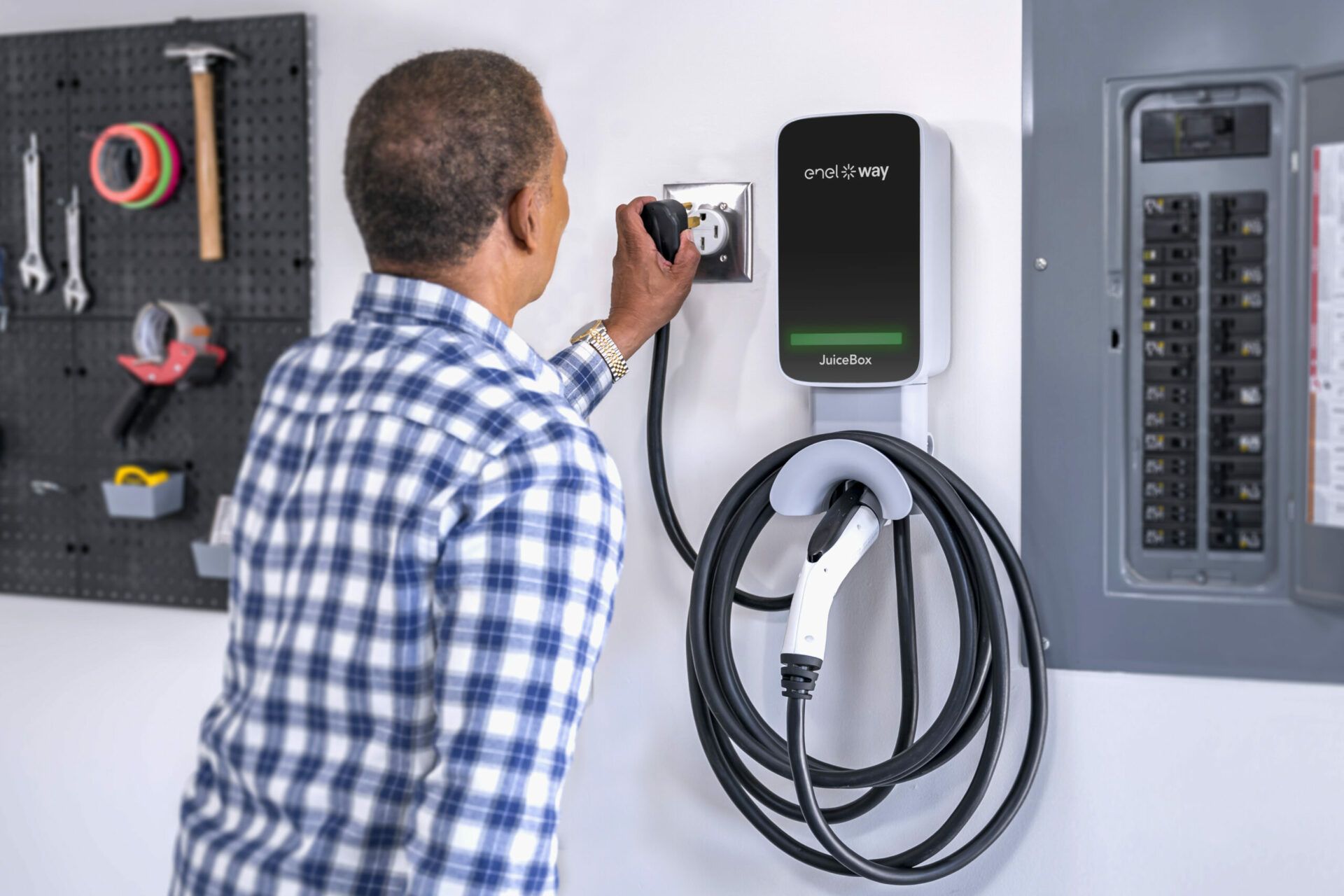
Not every home in Greeley needs an electrical panel upgrade before installing an EV charger. Whether your existing panel can support a Level 2 charger depends on your service size, available electrical capacity, current household demand, breaker space, and the amperage of the charger you plan to install. AC-DC Electric can evaluate your electrical system and determine whether your existing panel can safely support EV charging or if an upgrade is necessary.
Electric vehicles are becoming more common, and many Greeley homeowners want the convenience of charging at home. But before installing a Level 2 EV charger, one of the most important questions is whether the home's electrical panel has enough capacity.
An electrical panel upgrade for an EV charger in Greeley, CO may be necessary in some homes, but it is not automatically required for every installation.
The right answer depends on the home's existing electrical service and how much power is already being used by appliances, heating and cooling equipment, lighting, and other electrical loads.
Does Every EV Charger Require an Electrical Panel Upgrade?
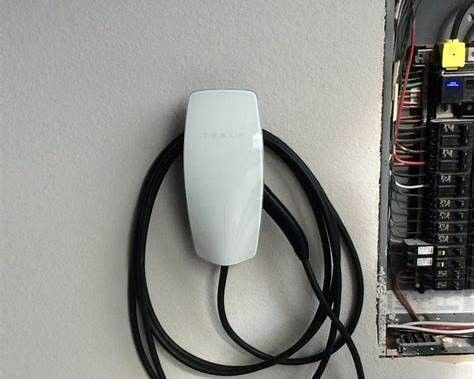
No. Many homes can support a Level 2 EV charger without replacing the electrical panel.
An electrician typically evaluates several factors before recommending an EV charger panel upgrade, including:
- Main electrical service size
- Existing household electrical demand
- Available breaker positions
- EV charger amperage
- Condition of the electrical panel
- Existing high-demand electrical equipment
- Available service capacity
A home with sufficient capacity may only need a new dedicated circuit and properly sized wiring for the EV charger.
However, if the panel is already heavily loaded or lacks adequate capacity, an electrical panel upgrade for an EV charger may be the safer and more practical option.
Can a 100-Amp Electrical Panel Handle a Level 2 EV Charger?
A 100-amp electrical panel may be able to support a Level 2 EV charger, but the panel rating alone does not determine the answer.
The important issue is how much electricity the home is already using.
For example, a Greeley home with 100-amp service may already have several high-demand electrical loads, including:
- Central air conditioning
- Electric range
- Electric dryer
- Water heater
- Hot tub
- Garage equipment
- Electric heating
- Additional large appliances
Adding a 240-volt EV charger can significantly increase the home's electrical demand.
Before installation, an electrician should perform an EV charger load calculation to determine whether the existing electrical service has enough available capacity.
In some homes, a 100-amp panel may still work with an appropriately sized charger. In others, upgrading the electrical service may be necessary.
Is a 200-Amp Panel Enough for an EV Charger?
A 200-amp electrical panel generally provides more flexibility for EV charging, but it should not automatically be assumed that every 200-amp service has unlimited capacity.
A home may already have several large electrical loads.
Examples include:
- Multiple HVAC systems
- Electric water heating
- Electric cooking appliances
- Pool or spa equipment
- Workshop equipment
- Existing electric vehicle chargers
An electrician evaluates the home's overall electrical demand before installing a Level 2 EV charger.
If there is adequate electrical capacity and breaker space, the existing 200-amp panel may support the charger without an upgrade.
If the service is already close to capacity, additional electrical work may be required.
How Does an Electrician Determine Whether Your Panel Can Handle an EV Charger?
Determining whether an electrical panel can support an EV charger requires more than simply looking at the number printed on the panel.
AC-DC Electric can evaluate several important factors.
Electrical Service Size
The electrician first determines whether the home has 100-amp, 150-amp, 200-amp, or another service size.
Electrical Load Calculation
An electrical load calculation estimates the amount of power the home may require under normal operating conditions.
This calculation considers major appliances and electrical systems throughout the home.
Available Breaker Space
A Level 2 EV charger typically requires a dedicated 240-volt circuit.
The panel must have enough physical space for the appropriate breaker.
Charger Amperage
Different EV chargers draw different amounts of power.
A 32-amp charger places a different demand on the electrical system than a 40-amp or 48-amp charger.
The charger output must be matched to the home's available electrical capacity.
Panel Condition
An electrician should also evaluate the physical condition of the electrical panel, breakers, connections, and related equipment.
An older panel may need replacement even if its service size appears adequate.
Internal link opportunity: Electrical Inspection or Electrical Panel Services page.
Determining whether an electrical panel can support an EV charger requires more than simply looking at the number printed on the panel.
AC-DC Electric can evaluate several important factors.
Electrical Service Size
The electrician first determines whether the home has 100-amp, 150-amp, 200-amp, or another service size.
Electrical Load Calculation
An electrical load calculation estimates the amount of power the home may require under normal operating conditions.
This calculation considers major appliances and electrical systems throughout the home.
Available Breaker Space
A Level 2 EV charger typically requires a dedicated 240-volt circuit.
The panel must have enough physical space for the appropriate breaker.
Charger Amperage
Different EV chargers draw different amounts of power.
A 32-amp charger places a different demand on the electrical system than a 40-amp or 48-amp charger.
The charger output must be matched to the home's available electrical capacity.
Panel Condition
An electrician should also evaluate the physical condition of the electrical panel, breakers, connections, and related equipment.
An older panel may need replacement even if its service size appears adequate.
Signs Your Electrical Panel May Need an Upgrade Before EV Charger Installation
Several conditions may indicate that an EV charger electrical panel upgrade should be considered.
Your Home Has 100-Amp Service
A 100-amp service does not automatically mean an upgrade is required, but available capacity should be evaluated carefully.
Your Panel Has No Available Breaker Space
A Level 2 charger usually requires a dedicated two-pole breaker.
If your panel is already full, additional electrical work may be needed.
Breakers Trip Frequently
Frequent breaker trips may indicate that circuits are overloaded or that the electrical system needs further evaluation.
Your Electrical Panel Is Older
Older electrical panels may not provide the capacity or reliability expected for modern electrical loads.
Your Home Already Has Several High-Demand Appliances
Adding EV charging to a home with numerous large electrical loads can push the service closer to its maximum capacity.
You Plan to Add More Electrical Equipment
Future improvements may also matter.
Homeowners may later add:
- A second EV charger
- Electric water heating
- Electric HVAC equipment
- A hot tub
- Workshop equipment
- Other high-demand appliances
Planning ahead can sometimes make an electrical service upgrade more practical.
Can You Install an EV Charger Without Upgrading the Entire Electrical Panel?
In some cases, yes.
A full electrical panel upgrade is not always the only solution.
Depending on the home and charger, possible options may include:
Installing a Lower-Amperage Charger
A lower-output Level 2 charger may reduce the electrical demand placed on the home.
Reducing the Charger Output
Some EV chargers can be configured to operate at a lower amperage when the home's available capacity is limited.
Load Management Equipment
Certain systems can manage EV charging based on the electrical demand occurring elsewhere in the home.
Energy Management Systems
Energy management equipment may allow EV charging to be coordinated with other electrical loads.
Installing a Subpanel
A subpanel may help organize additional circuits when the electrical system has adequate overall service capacity but limited breaker space.
The correct solution depends on the home's electrical system, load calculation, and EV charger requirements.
Internal link opportunity: EV Charger Installation service page.
What Size Circuit Does a Level 2 EV Charger Need?
Level 2 chargers commonly operate on 240-volt circuits.
The required breaker and wire size depend on the charger's maximum output.
For example, chargers may operate at:
- 32 amps
- 40 amps
- 48 amps
- Other manufacturer-specified output levels
Higher-amperage EV chargers can provide faster charging but also place greater demand on the home's electrical service.
Before installation, an electrician should verify that the EV charger dedicated circuit, breaker, wiring, and electrical panel are properly matched to the charger.
Should You Upgrade Your Panel to 200 Amps for an EV Charger?
Should You Upgrade Your Panel to 200 Amps for an EV Charger?
A 200-amp electrical service can provide additional capacity for modern electrical loads, including EV charging.
However, upgrading to 200 amps should be based on the actual electrical demands of the home rather than assuming every EV charger installation requires it.
A panel upgrade may make sense when:
- Existing service capacity is limited
- The panel is outdated
- The home has multiple large electrical loads
- Future electrical upgrades are planned
- A higher-output EV charger is desired
- Additional breaker capacity is needed
An electrician can determine whether upgrading to 200 amps provides a practical long-term solution.
Why a Load Calculation Matters Before EV Charger Installation
One of the most important steps before installing a home EV charger is determining whether the electrical system can safely handle the additional load.
A proper EV charger load calculation helps identify how much capacity is currently available.
This can prevent unnecessary panel upgrades while also helping identify homes where additional capacity is genuinely needed.
It also allows the EV charger circuit to be designed around the actual electrical demands of the property.
Have Your Greeley Electrical Panel Evaluated Before Installing an EV Charger
Before installing a Level 2 EV charger, it is important to know whether your current electrical panel has enough capacity to support it safely.
AC-DC Electric can evaluate your electrical service, panel condition, breaker capacity, existing electrical loads, and EV charger requirements.
Depending on your home's electrical system, you may only need a dedicated EV charger circuit. In other cases, an electrical panel upgrade for EV charger installation in Greeley, CO may be recommended.
A professional evaluation can help determine the most practical approach before installation begins.
Level 2 EV charger require a panel upgrade- FAQ's
Does a Level 2 EV charger require a panel upgrade?
Does a Level 2 EV charger require a panel upgrade?
Not always. A Level 2 EV charger may be installed without a panel upgrade if the home's electrical service has sufficient available capacity, breaker space, and properly sized wiring.
Can a 100-amp panel handle an EV charger?
A 100-amp panel may be able to support an EV charger depending on the home's existing electrical loads and the charger amperage. A load calculation is typically needed.
Is a 200-amp panel enough for an EV charger?
A 200-amp panel often provides more available capacity for EV charging, but an electrician should still evaluate the home's total electrical demand.
Does an EV charger need a dedicated circuit?
Most Level 2 EV chargers require a dedicated 240-volt circuit with properly sized wiring and breaker protection.
What size breaker is needed for an EV charger?
Most Level 2 EV chargers require a dedicated 240-volt circuit with properly sized wiring and breaker protection.
The required breaker size depends on the EV charger's rated output and manufacturer requirements. Higher-output chargers typically require larger circuits.What size breaker is needed for an EV charger?
Can an EV charger be installed without upgrading the electrical service?
Yes, in some homes. Lower-amperage chargers, load management systems, or other electrical solutions may allow installation without a complete service upgrade.
Should I upgrade my electrical panel before buying an EV charger?
It is often useful to have the electrical system evaluated before selecting a charger. This helps determine what charger output the home can safely support and whether a panel upgrade is necessary.
Schedule an EV Charger Electrical Panel Evaluation in Greeley, CO
Planning to install a Level 2 EV charger but unsure whether your electrical panel can handle the additional load? AC-DC Electric can evaluate your panel capacity, electrical service, breaker space, and existing household demand to determine what your home needs.
Whether you need a dedicated EV charger circuit, load-management solution, or a complete electrical panel upgrade for EV charger installation in Greeley, CO, AC-DC Electric can help you choose the right solution for your home.
Contact AC-DC Electric today to schedule an EV charger electrical evaluation in Greeley, CO.
You might also like