EV Charger Installation in Greeley, CO: Cost, Electrical Requirements & Panel Capacity
EV charger installation in Greeley, CO requires a properly sized dedicated circuit and enough electrical panel capacity to safely handle the additional charging load.
AC-DC Electric can evaluate your panel, perform a load calculation, and determine whether your existing electrical system can support a home EV charger or needs an upgrade.
For homeowners switching to an electric vehicle, charging at home can make everyday ownership much more convenient. Instead of depending primarily on public charging stations, a properly installed home charger allows you to recharge your vehicle where you park it.
The electrical side of the installation, however, deserves careful planning. Charger size, electrical panel capacity, circuit requirements, wiring distance, and the existing electrical loads in the home can all affect the installation.
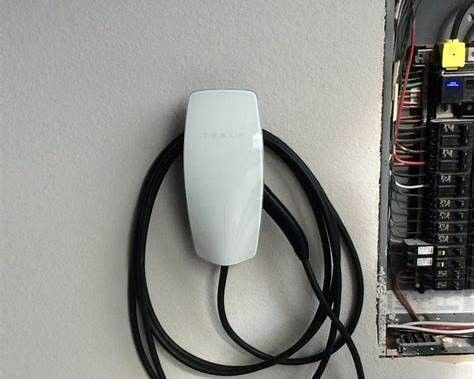
The cost of EV charger installation depends on the charger requirements, electrical panel capacity, installation location, wiring distance, and whether additional electrical work is necessary.
A straightforward installation may involve installing a dedicated circuit from the electrical panel to a charger located nearby. Costs can increase when the charger is farther from the panel or when additional electrical improvements are required.
Factors that can affect EV charger installation cost include:
- Distance between the electrical panel and charger
- Charger amperage
- Wiring and conduit requirements
- Garage or exterior installation
- Hardwired versus plug-in installation
- Electrical panel capacity
- Available breaker space
- Subpanel requirements
- Electrical panel upgrades
- Permit and inspection requirements
This is why an electrical evaluation is useful before estimating the complete installation.
What Are the Electrical Requirements for a Home EV Charger?
A home EV charger must be connected to an electrical circuit that is properly designed for the charger's electrical load and manufacturer requirements. Many Level 2 EV charger installations use a dedicated 240-volt circuit.
The exact EV charger electrical requirements depend on the charging equipment and its rated output.
An electrician may need to determine:
- Required circuit voltage
- Charger amperage
- Correct breaker size
- Proper conductor size
- Dedicated circuit requirements
- Grounding and protection requirements
- Electrical panel capacity
- Manufacturer installation specifications
- Permit and inspection requirements
The charging rate homeowners want also matters. A higher-output charger can place a larger electrical demand on the home than a lower-output configuration.
That makes choosing the charging equipment and evaluating the home's electrical system closely related decisions.
Does Your Electrical Panel Have Enough Capacity for an EV Charger?
An open breaker space does not necessarily mean an electrical panel has enough electrical capacity for an EV charger. The home's existing electrical loads and service capacity should be evaluated before adding the new charging circuit.
This distinction is important.
A homeowner might look inside a panel, see an unused breaker position and assume the charger can simply be connected there. Physical space for another breaker is only one part of the evaluation.
An EV charger load calculation considers the electrical demands already being placed on the home's system.
Those loads can include:
- Air conditioning
- Electric heating
- Electric water heating
- Electric range or oven
- Clothes dryer
- Pool or spa equipment
- Other large electrical equipment
- Existing dedicated circuits
The EV charger becomes another potentially significant electrical load.
AC-DC Electric can evaluate the home's electrical service and panel capacity to determine whether the existing system can accommodate the proposed charger.
Can a 100-Amp or 200-Amp Panel Handle an EV Charger?
A panel's amp rating alone does not determine whether it can support an EV charger. A 100-amp or 200-amp electrical service must still be evaluated based on the home's existing loads and the electrical requirements of the proposed charger.
A 200-amp service may provide substantially more capacity than a 100-amp service, but homeowners should not assume that every 200-amp panel automatically has enough available capacity.
Likewise, having a 100-amp service does not automatically mean an EV charger cannot be installed.
The appropriate answer depends on the individual property.
This is where an electrical load calculation becomes important. It helps determine how much capacity is already being used and whether the proposed EV charging load can safely be added.
An electrical panel upgrade may be necessary when the existing electrical system cannot safely accommodate the additional EV charging load or when other limitations prevent installation of the required circuit.
Not every home EV charger installation requires a panel replacement.
Depending on the electrical system, an electrician may evaluate several possibilities before determining what work is appropriate.
A panel or electrical service upgrade may become more likely when:
- The existing electrical service has limited capacity
- The panel is already heavily loaded
- There is inadequate space for the required equipment
- The existing panel has other deficiencies
- The homeowner plans additional major electrical upgrades
- The requested charging configuration exceeds available capacity
Other electrical solutions may sometimes be possible depending on the property, charger and existing electrical system.
The important point is that panel capacity should be evaluated before the charger installation begins, rather than discovering an electrical limitation after purchasing equipment or starting the project.
Hardwired EV Charger vs. Plug-In Charger
A home EV charger may be installed as a hardwired unit or, when the equipment and electrical installation permit it, connected through an appropriate receptacle. The correct option depends on the charger, desired charging configuration and electrical system.
A hardwired EV charger installation creates a permanent electrical connection between the charging equipment and its circuit.
A plug-in configuration uses compatible charging equipment and an appropriately installed receptacle.
Homeowners should consider:
- Charger manufacturer requirements
- Charging amperage
- Installation location
- Indoor or outdoor use
- Desired permanence
- Electrical code requirements
- Future charger replacement
The electrical circuit still needs to be correctly designed regardless of which configuration is selected.
Do You Need a Permit for EV Charger Installation in Greeley, CO?
EV charger installation can involve electrical work subject to local permitting, inspection and electrical code requirements. Homeowners should determine the applicable requirements before beginning the installation.
Permits and inspections are not simply paperwork. They help establish that electrical work has been completed according to applicable requirements.
Professional EV charger installation in Greeley, CO may involve evaluating the proposed circuit, electrical panel, wiring method, charger location and equipment specifications as part of planning the project.
Using an experienced electrician also helps homeowners avoid common installation mistakes such as selecting equipment before determining whether the electrical system can support it.
What Should an Electrician Check Before Installing an EV Charger?
Before installing an EV charger, an electrician should evaluate the charging equipment, electrical service, panel capacity, existing electrical loads, circuit requirements and proposed charger location.
A typical evaluation may include:
- Electrical service size
- Electrical panel condition
- Available panel capacity
- Existing household electrical loads
- Available breaker positions
- Charger voltage and amperage requirements
- Required breaker and conductor sizing
- Distance from panel to charger
- Wiring and conduit route
- Indoor or outdoor charger location
- Hardwired or plug-in configuration
- Permit and inspection requirements
Homeowners should also discuss future electrical plans.
For example, if you are considering additional electric vehicles or other major electrical equipment in the future, that information may influence how the electrical system is evaluated today.
Planning for future demand can help avoid making electrical decisions based solely on the immediate charger installation.
Before installing an EV charger, an electrician should evaluate the charging equipment, electrical service, panel capacity, existing electrical loads, circuit requirements and proposed charger location.
A typical evaluation may include:
- Electrical service size
- Electrical panel condition
- Available panel capacity
- Existing household electrical loads
- Available breaker positions
- Charger voltage and amperage requirements
- Required breaker and conductor sizing
- Distance from panel to charger
- Wiring and conduit route
- Indoor or outdoor charger location
- Hardwired or plug-in configuration
- Permit and inspection requirements
Homeowners should also discuss future electrical plans.
For example, if you are considering additional electric vehicles or other major electrical equipment in the future, that information may influence how the electrical system is evaluated today.
Planning for future demand can help avoid making electrical decisions based solely on the immediate charger installation.
Why Panel Capacity Matters for EV Charger Installation
An EV charger can become one of the more significant electrical loads added to a home.
That is why electrical panel capacity deserves as much attention as the charger itself.
The key question isn't simply:
"Is there room for another breaker?"
It is:
"Does my electrical system have enough available capacity for the EV charger I want to install?"
Answering that question before installation can help determine the appropriate charger configuration and whether additional electrical work is necessary.
EV Charger Installation in Greeley, CO: FAQ's
How much does EV charger installation cost in Greeley, CO?
EV charger installation cost varies based on charger amperage, distance from the electrical panel, wiring requirements, charger location and whether panel or electrical service improvements are required.
An electrical evaluation provides a more accurate estimate for the individual property.
Do I need a 200-amp electrical panel for an EV charger?
Not necessarily. The appropriate electrical service depends on the home's existing electrical loads and the proposed charger's requirements. An electrical load calculation can determine whether sufficient capacity is available.
Can I install an EV charger with a 100-amp electrical service?
Potentially. A 100-amp service does not automatically prevent EV charger installation. The home's electrical loads, available capacity and charger requirements need to be evaluated before determining the appropriate installation.
Does a Level 2 EV charger need a dedicated circuit?
Does a Level 2 EV charger need a dedicated circuit?
Level 2 EV charging equipment commonly requires a dedicated electrical circuit sized according to the charger specifications and applicable electrical requirements.
Does having an empty breaker space mean I can install an EV charger?
No. An available breaker position does not by itself establish that the electrical system has enough capacity for an EV charger. Panel space and available electrical capacity are different considerations.
Who installs home EV chargers in Greeley, CO?
AC-DC Electric provides electrical services for homeowners in Greeley, CO and can evaluate electrical panel capacity, circuit requirements and other electrical considerations involved in home EV charger installation.
EV Charger Installation in Greeley, CO — Contact AC-DC Electric
Planning an electric vehicle charger for your home? AC-DC Electric can evaluate your electrical panel, available capacity, circuit requirements and proposed charger location before installation begins.
Whether your home is ready for a new dedicated EV charging circuit or the electrical system needs additional work, getting the electrical requirements right from the beginning can help you make an informed decision.
Contact AC-DC Electric at 970-330-1656 today for EV charger installation in Greeley, CO and find out whether your electrical panel is ready for home EV charging.
You might also like